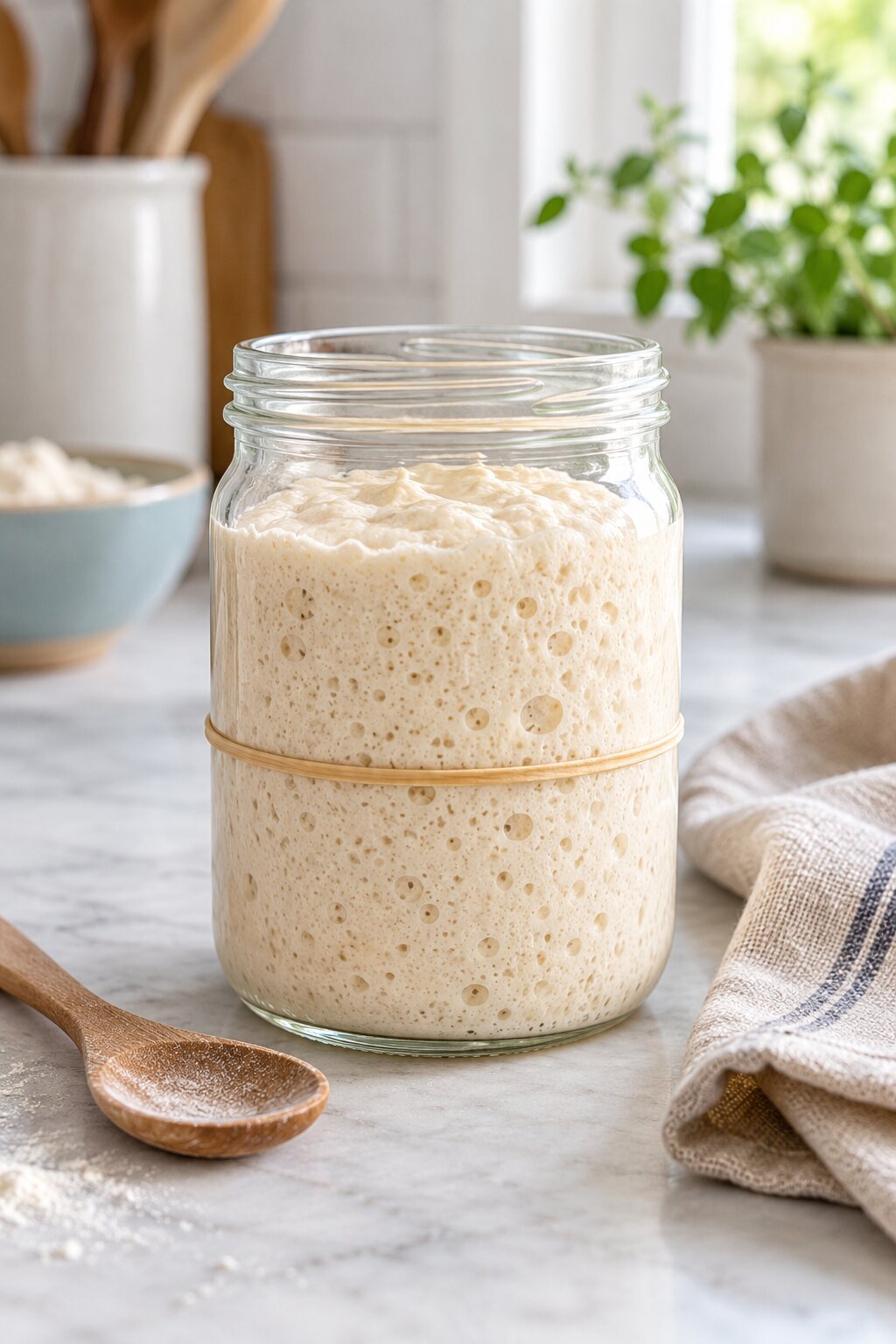
When Is Sourdough Starter Ready to Bake With?
Learn the reliable signs that your starter is active enough to raise dough, plus how to time the peak in a cool or warm kitchen.
Read the guide ↗
Explore the full collection of recipes, starter notes, fermentation explainers, and troubleshooting guides.
Learn the reliable signs that your starter is active enough to raise dough, plus how to time the peak in a cool or warm kitchen.
Read the guide ↗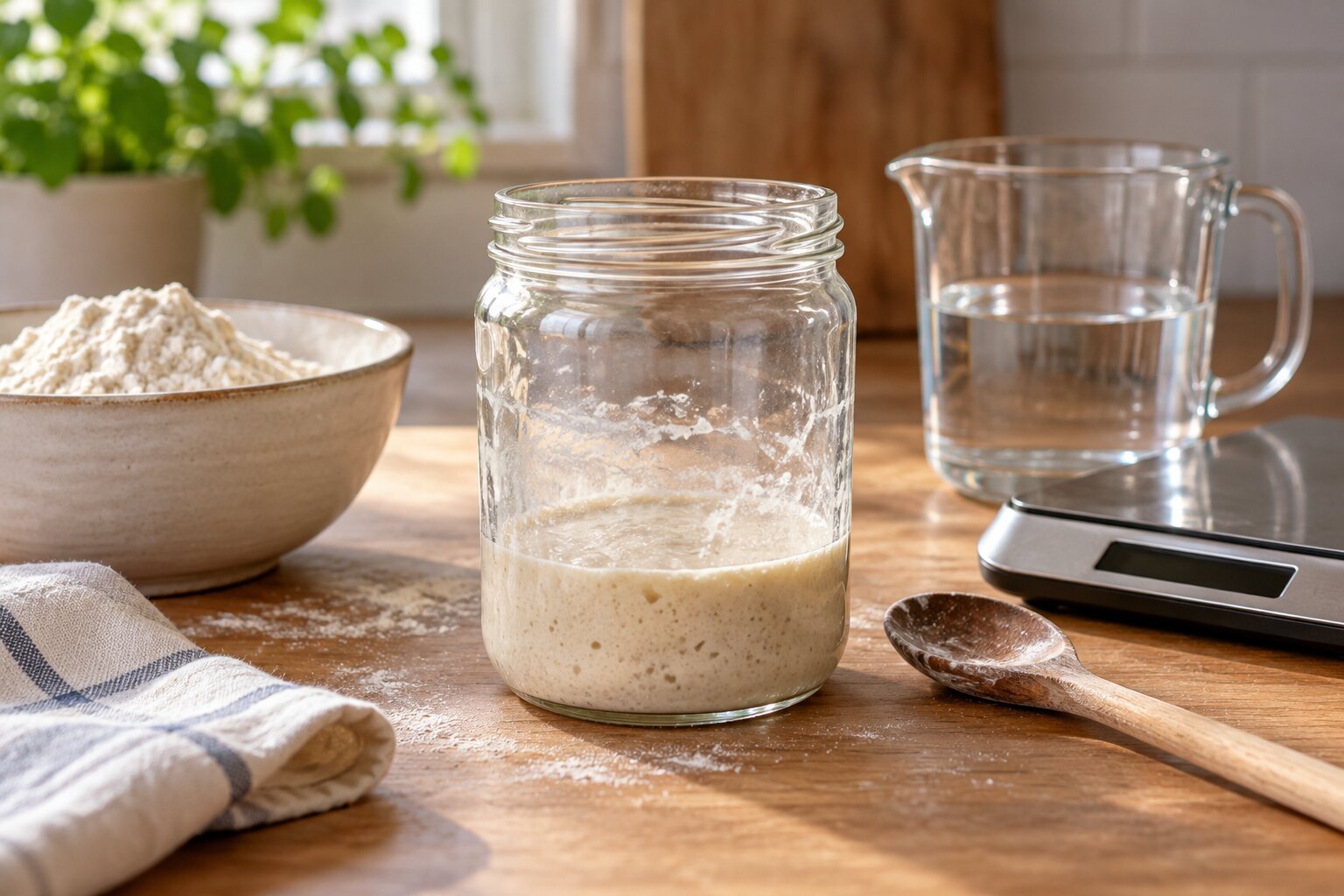
A quiet starter is frustrating, but it usually has a clear cause. Check temperature, feeding ratios, flour, timing, and jar measurements before starting over.
Read the guide ↗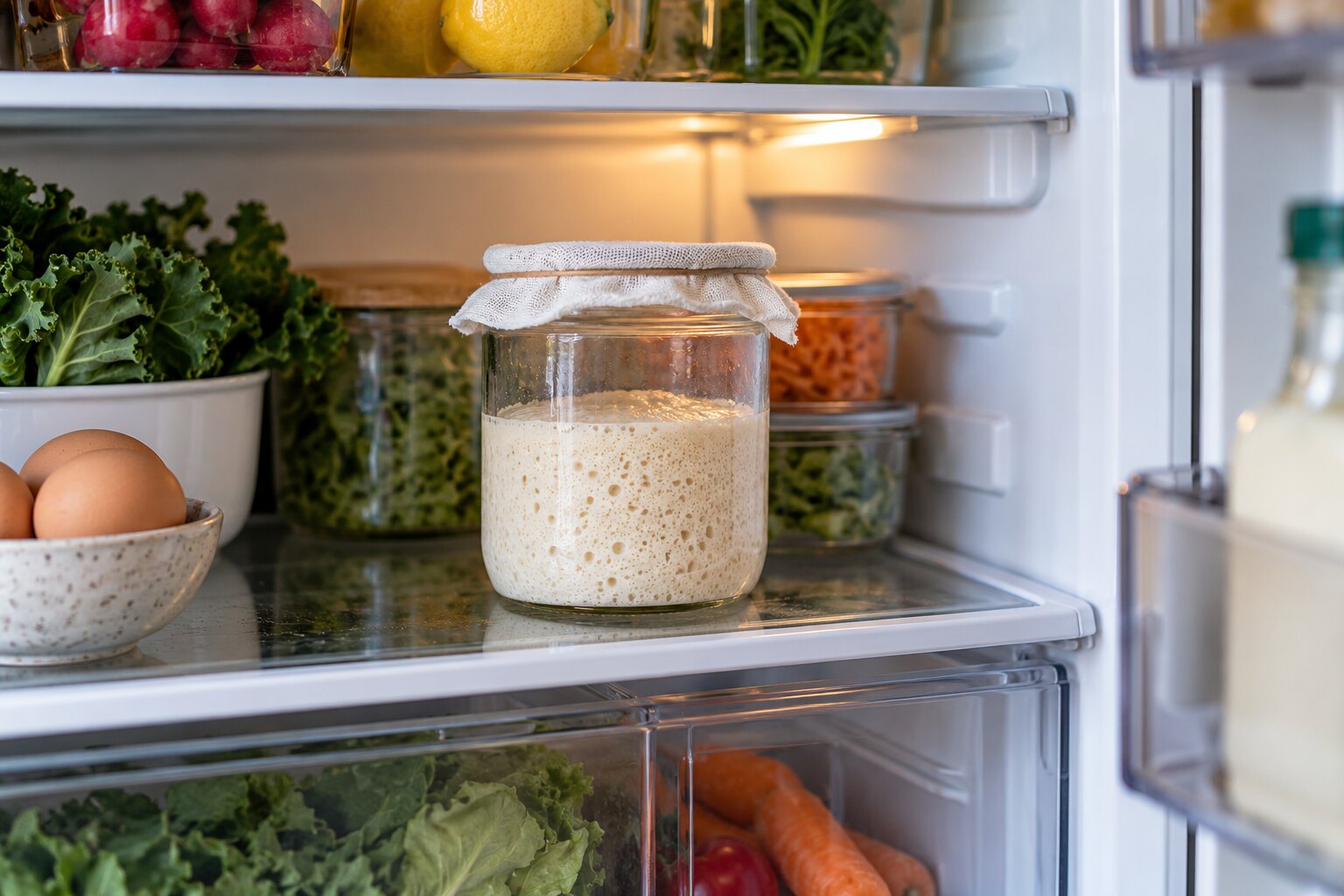
The fridge makes sourdough easier to maintain. Learn when to refrigerate, how often to feed, and how to revive a starter before baking.
Read the guide ↗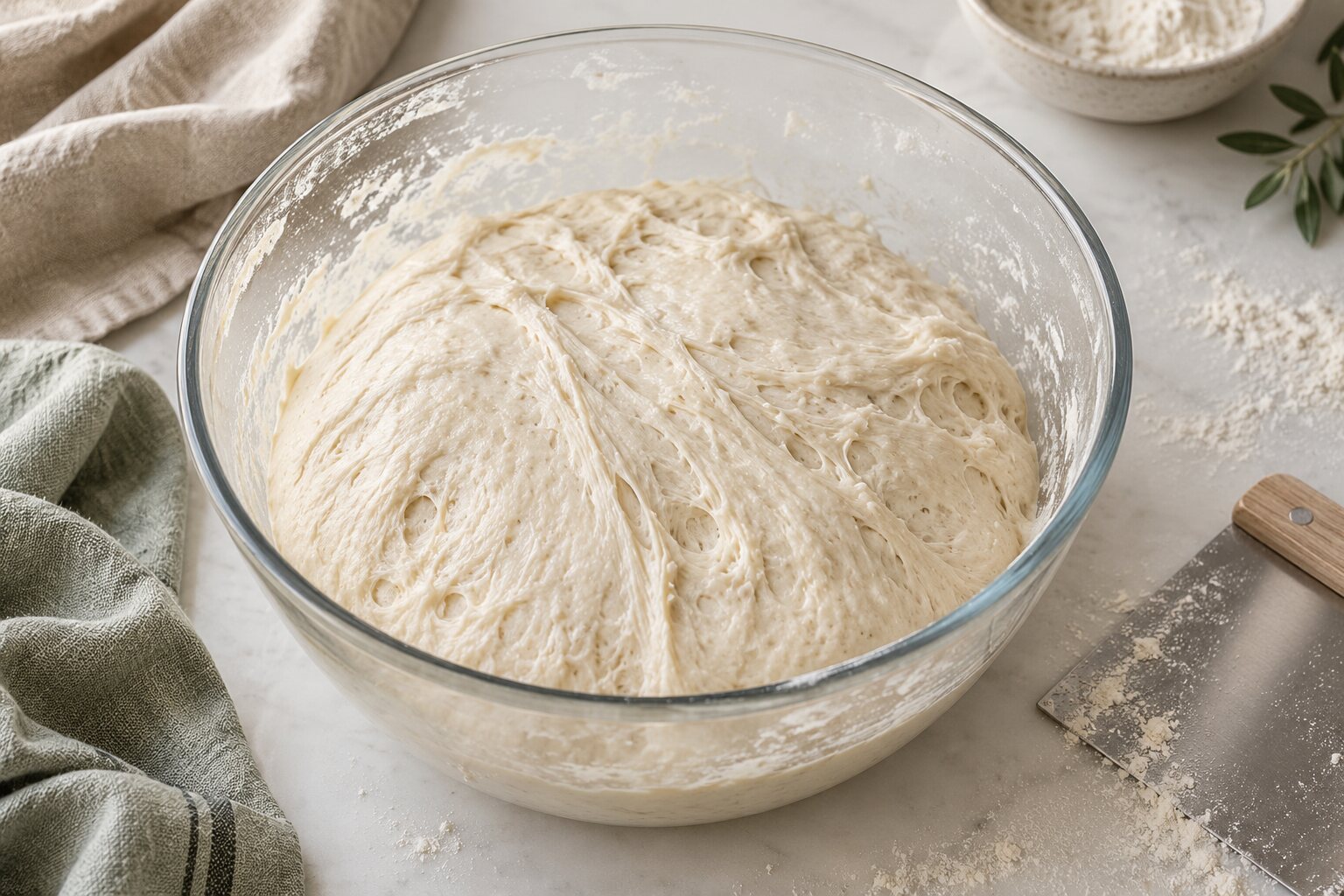
Bulk fermentation is ready when the dough shows a pattern of signs—not simply when a timer ends. Learn what to look for at different room temperatures.
Read the guide ↗Proofing is the final rise before baking. Learn how to read dough instead of guessing, and what to change when a loaf is tight, flat, or weak.
Read the guide ↗Hydration changes how dough feels, ferments, and bakes. Start with an approachable percentage and learn how to adjust without losing control.
Read the guide ↗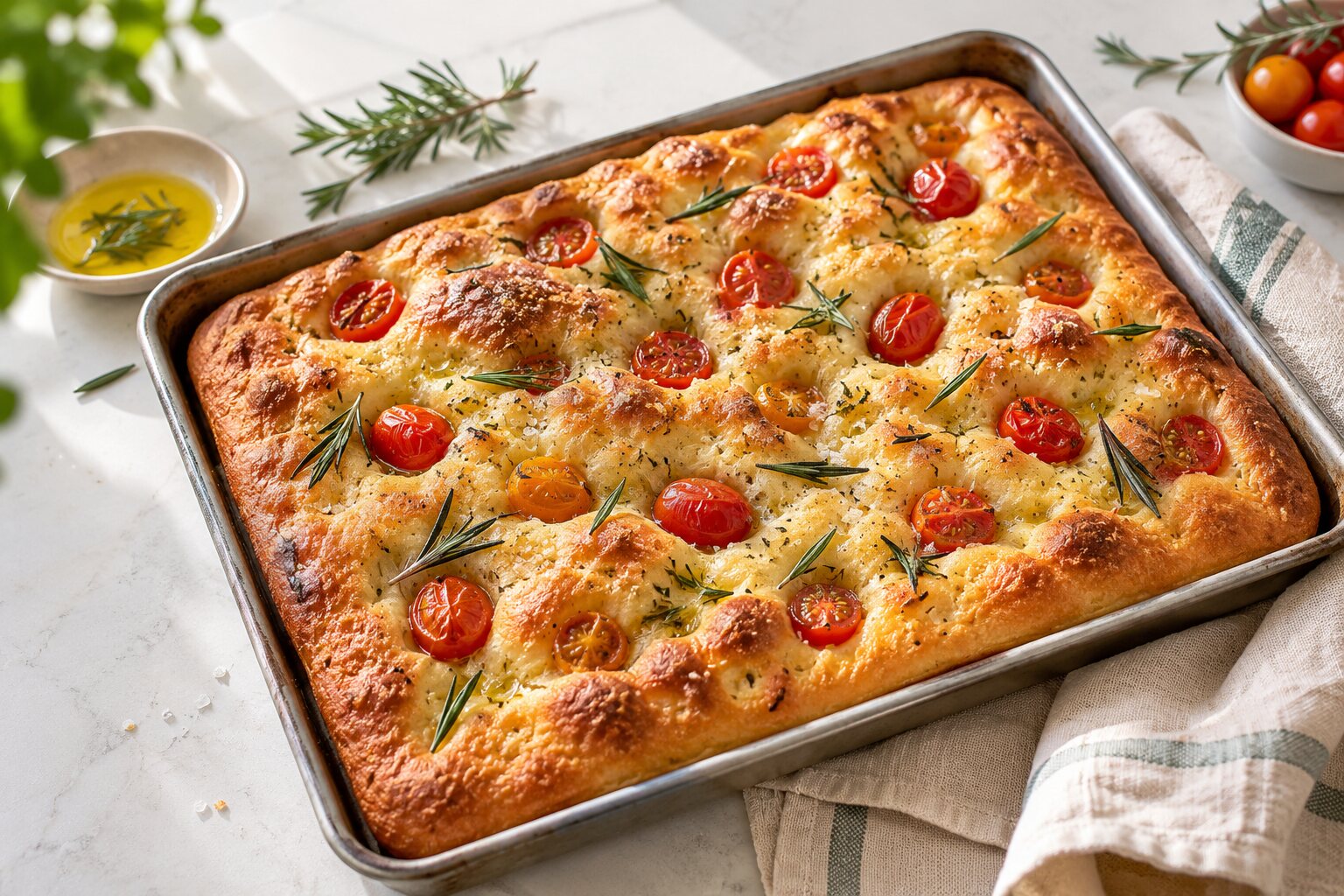
A forgiving, olive-oil-rich focaccia with a soft crumb and crisp edges. It is an ideal first sourdough bake because the pan supports the dough.
Read the guide ↗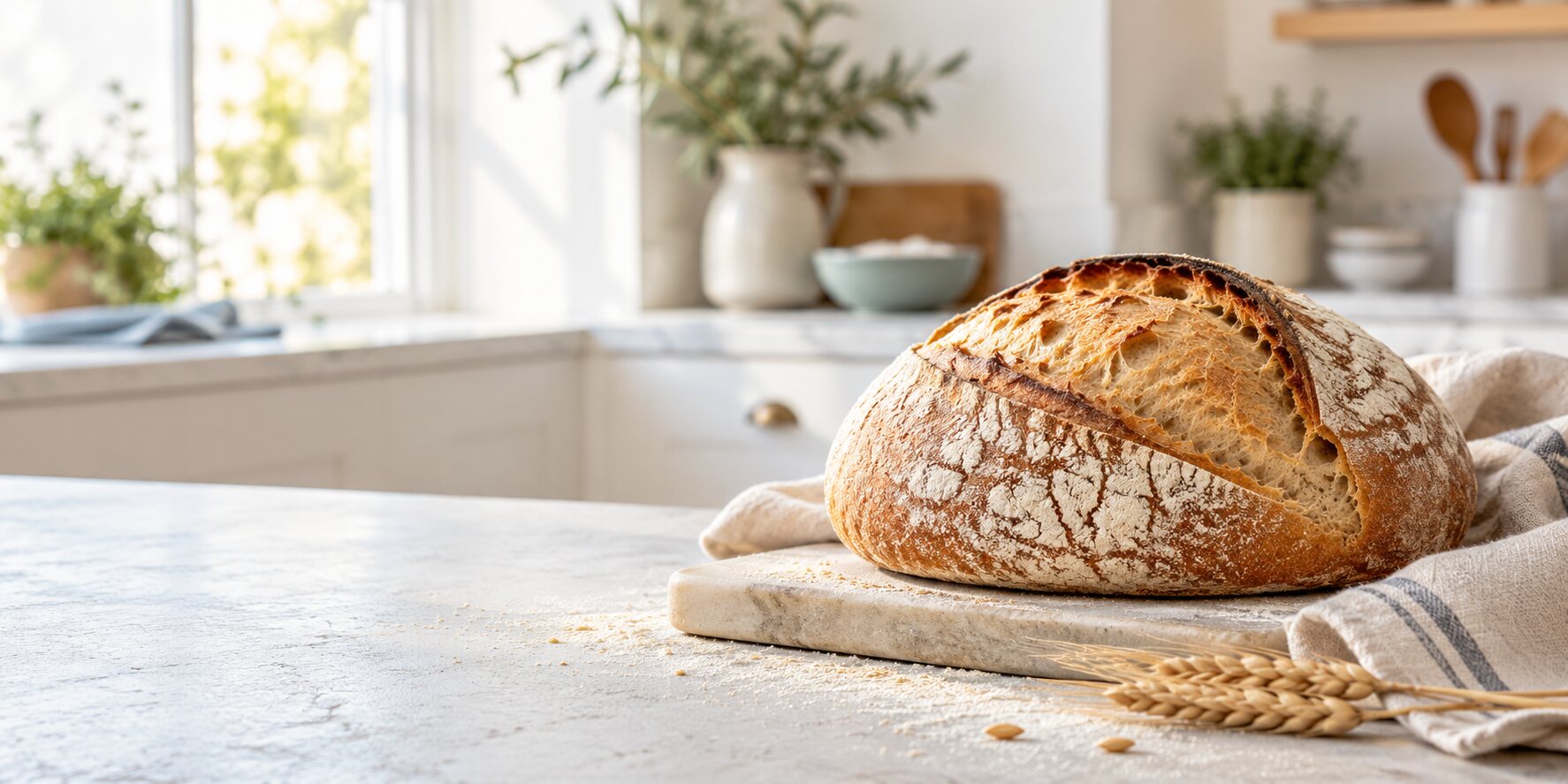
Use your active starter to make a flexible pizza dough with a crisp edge and chewy centre. Includes same-day and overnight timing options.
Read the guide ↗
Turn unfed starter into tender, lightly tangy pancakes in one bowl. A simple way to use discard instead of throwing it away.
Read the guide ↗A flat loaf is usually a fermentation or dough-strength issue—not a sign that you cannot bake sourdough. Find the cause and make one change at a time.
Read the guide ↗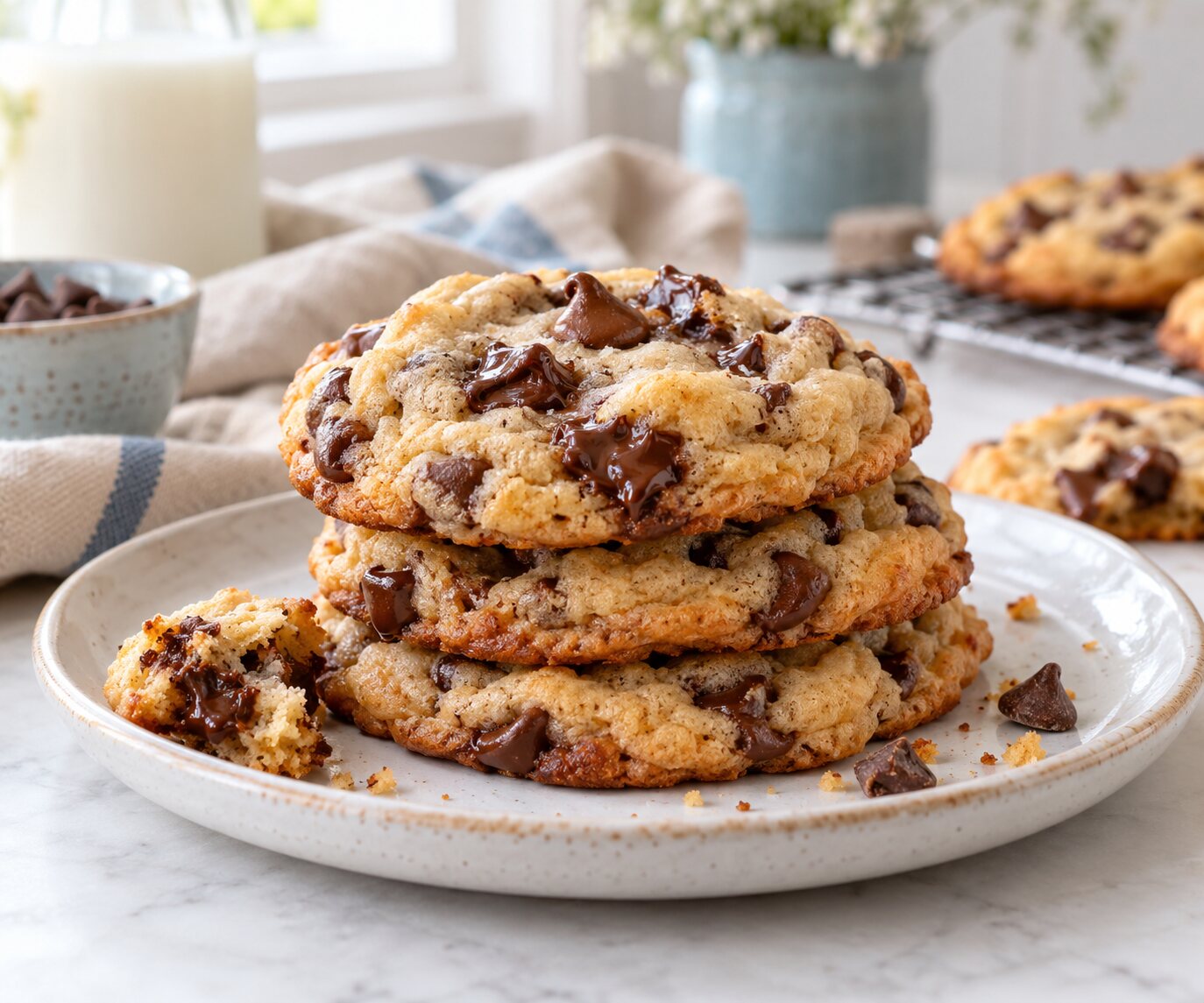
Use sourdough discard to make soft, chewy chocolate chip cookies with crisp edges, melted chocolate, and a gentle tang.
Read the guide ↗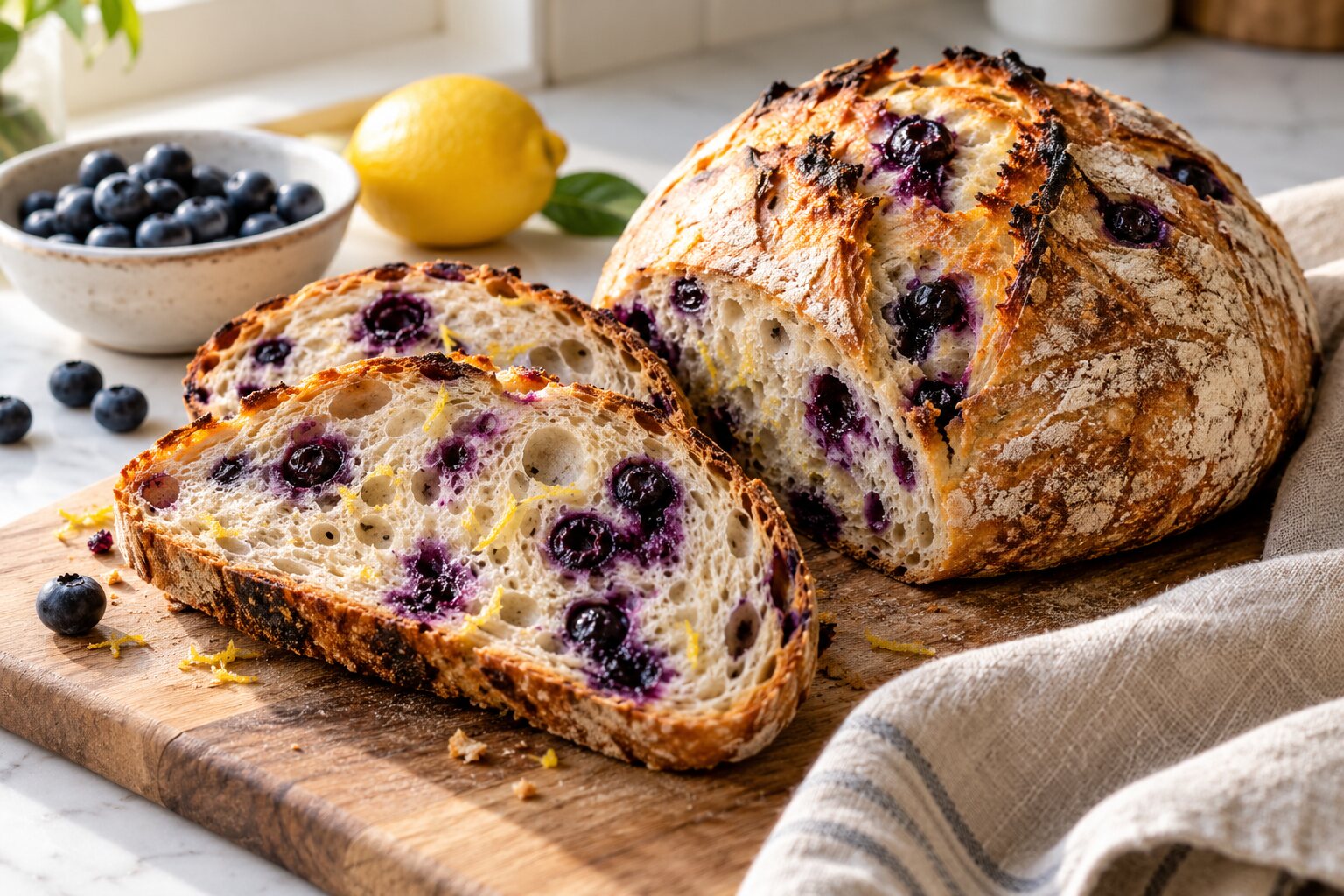
A bright, gently sweet sourdough loaf with lemon zest and juicy blueberries folded into a soft, open crumb.
Read the guide ↗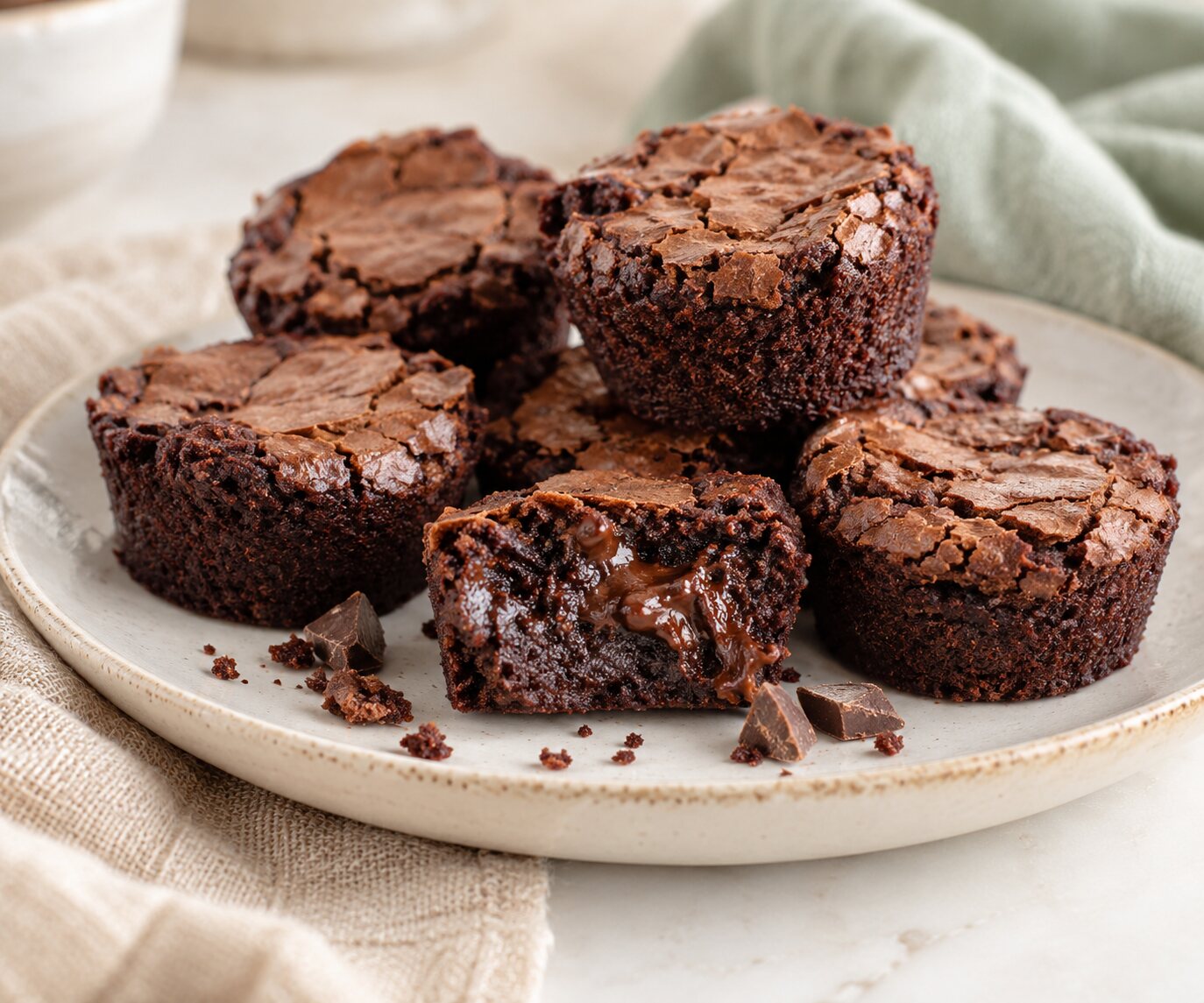
These small, fudgy brownies turn extra discard into a rich chocolate treat with crackly tops and soft centres.
Read the guide ↗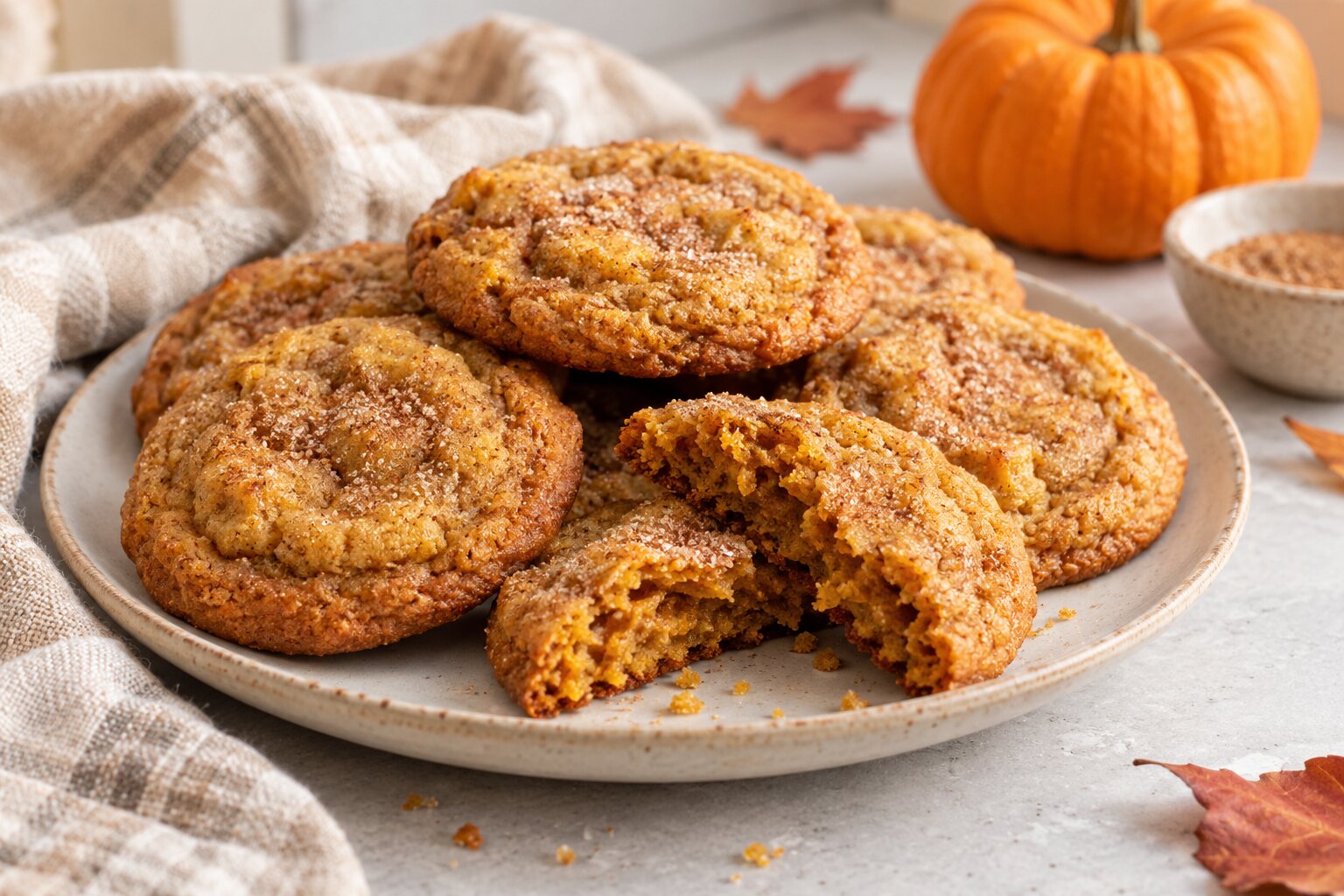
Brown butter, pumpkin, and sourdough discard make a soft, chewy cookie with warm spice and a naturally tender texture.
Read the guide ↗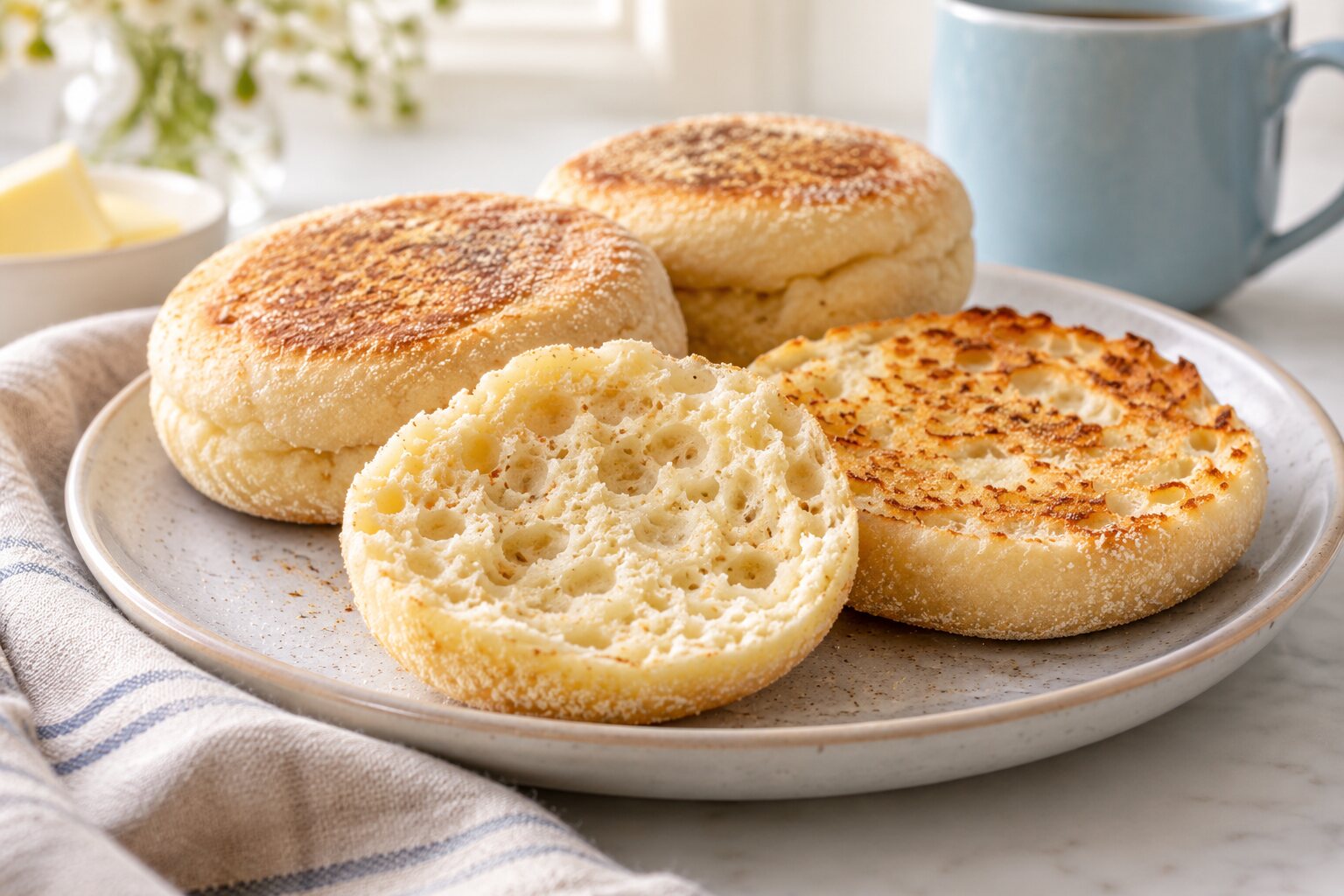
Make soft, fluffy English muffins with a naturally fermented dough that can rest overnight and cook in a skillet the next morning.
Read the guide ↗
Soft cinnamon rolls with a gooey centre, cream cheese frosting, and a flexible overnight schedule using sourdough discard.
Read the guide ↗
These seven common sourdough mistakes can make a loaf flat, dense, or gummy. Learn what each mistake looks like and the practical fix for next time.
Read the guide ↗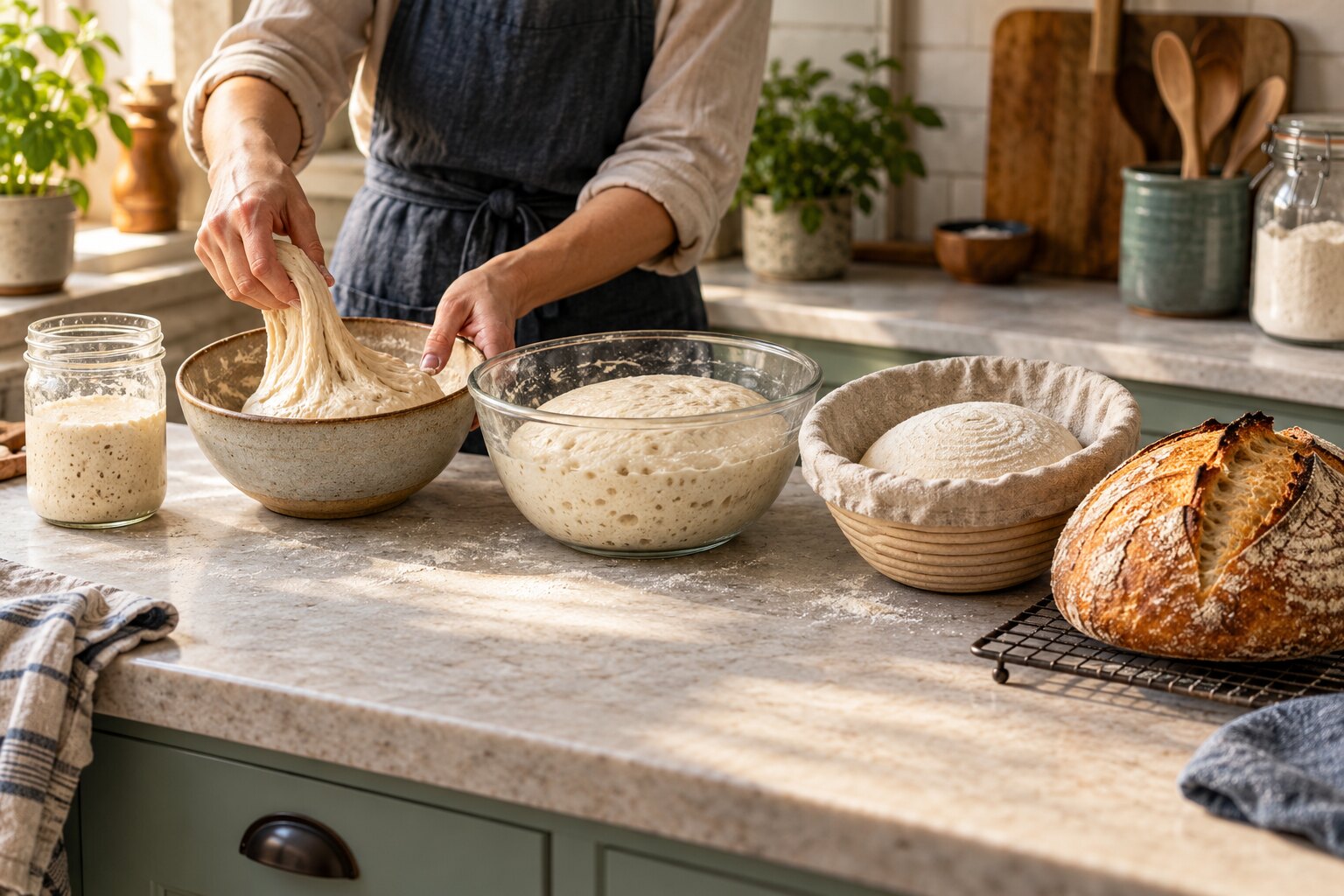
Follow a calm beginner sourdough timeline from feeding the starter to baking the loaf, using dough signs alongside flexible time windows.
Read the guide ↗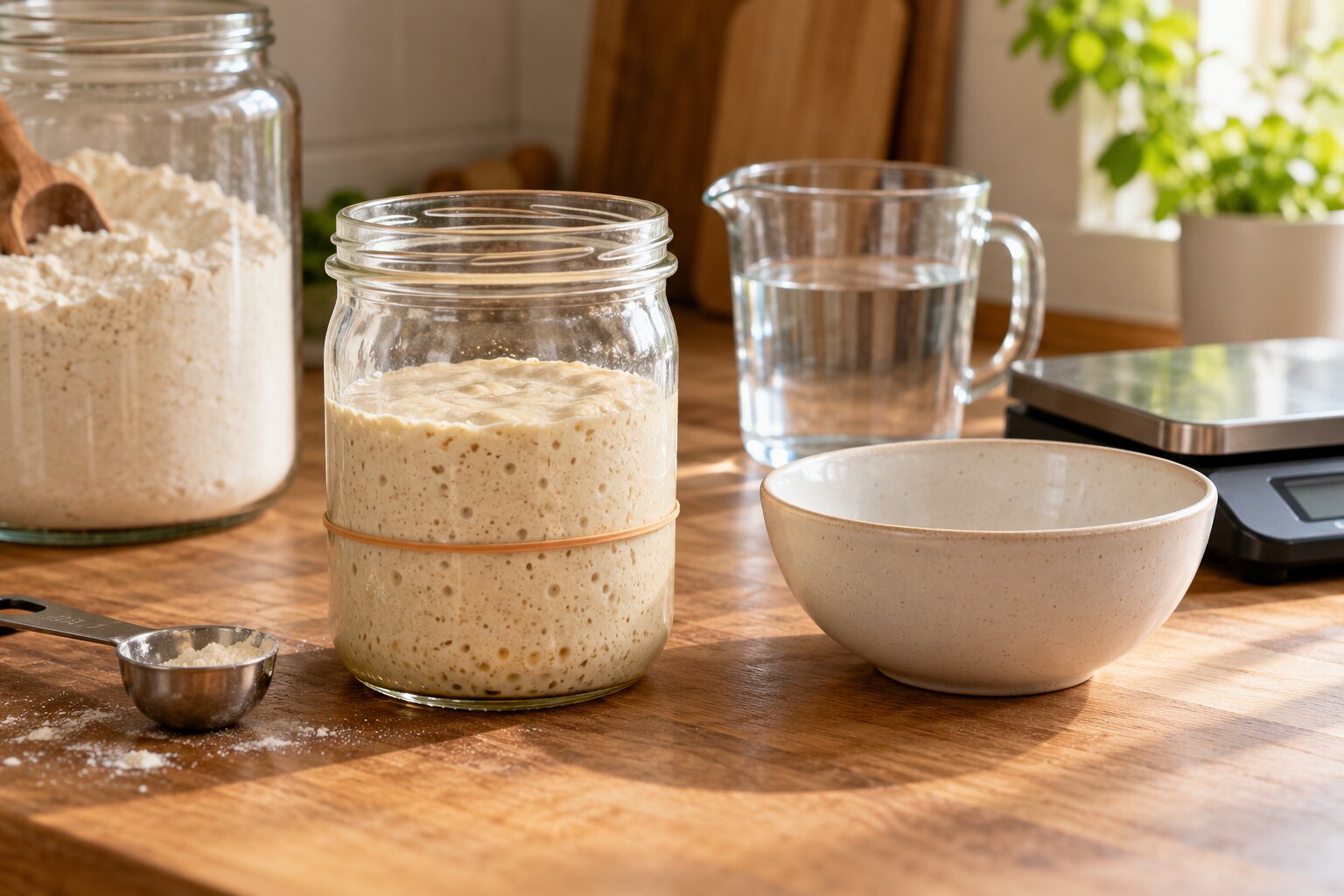
Learn how often to feed sourdough starter at room temperature, in the fridge, before baking, and while it is still becoming established.
Read the guide ↗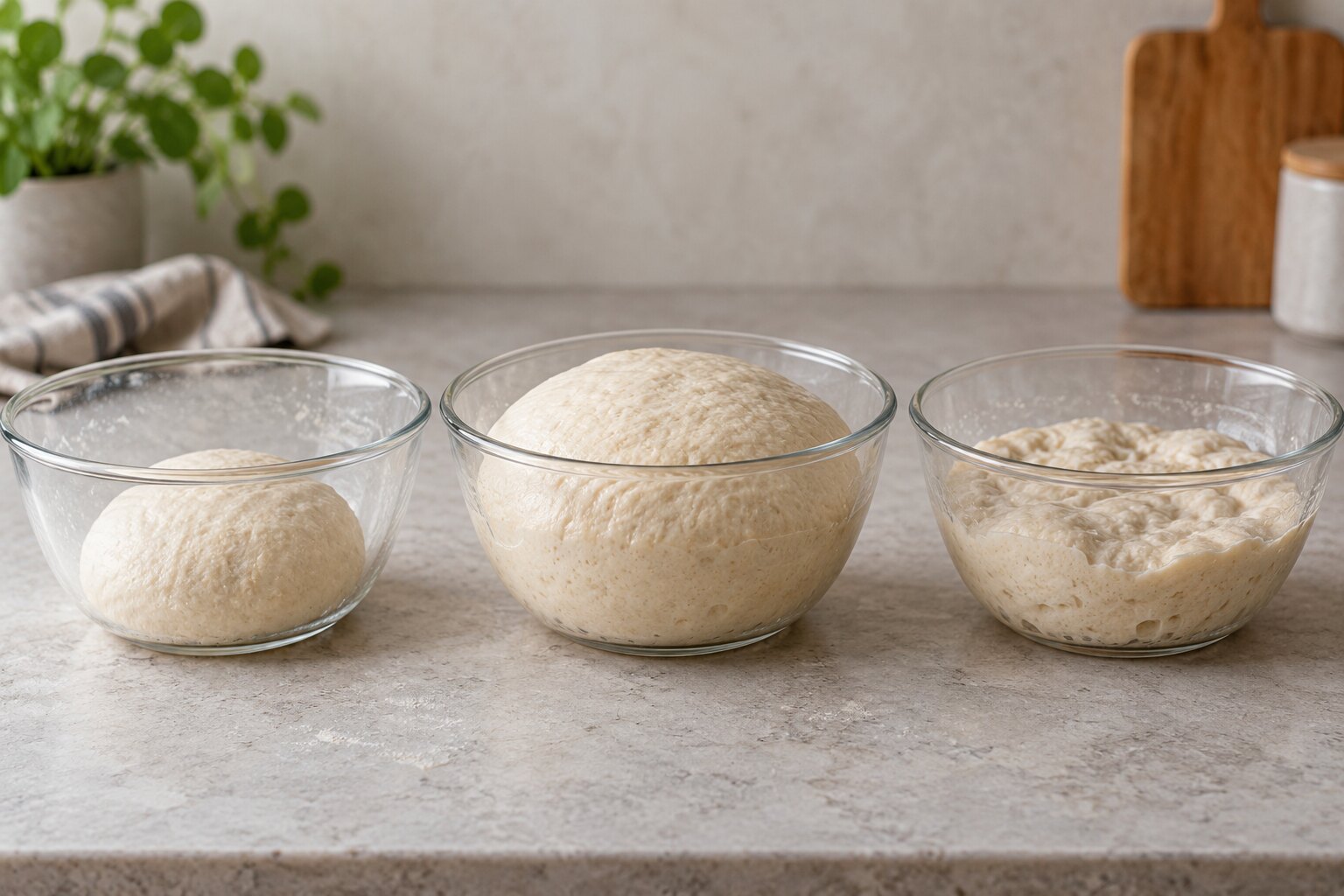
A clear comparison of overproofed and underproofed sourdough, including dough feel, oven spring, crumb clues, and what to change next time.
Read the guide ↗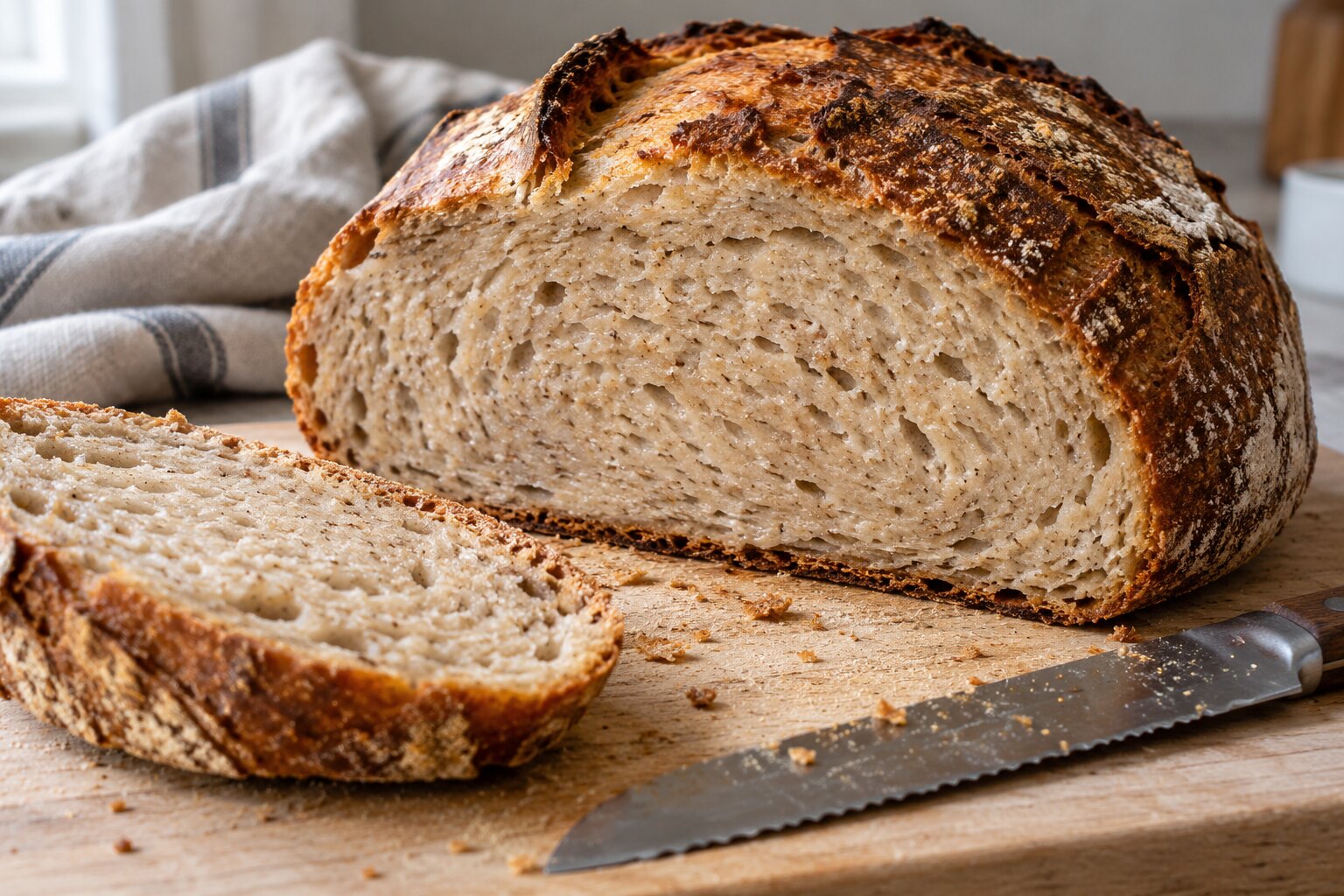
A dense or gummy sourdough crumb usually points to fermentation, baking, hydration, or slicing. Work through these seven causes before changing your recipe.
Read the guide ↗A weak starter often needs a calmer routine rather than a dramatic rescue. Use this flexible reset for temperature, feeding ratio, flour, and consistency.
Read the guide ↗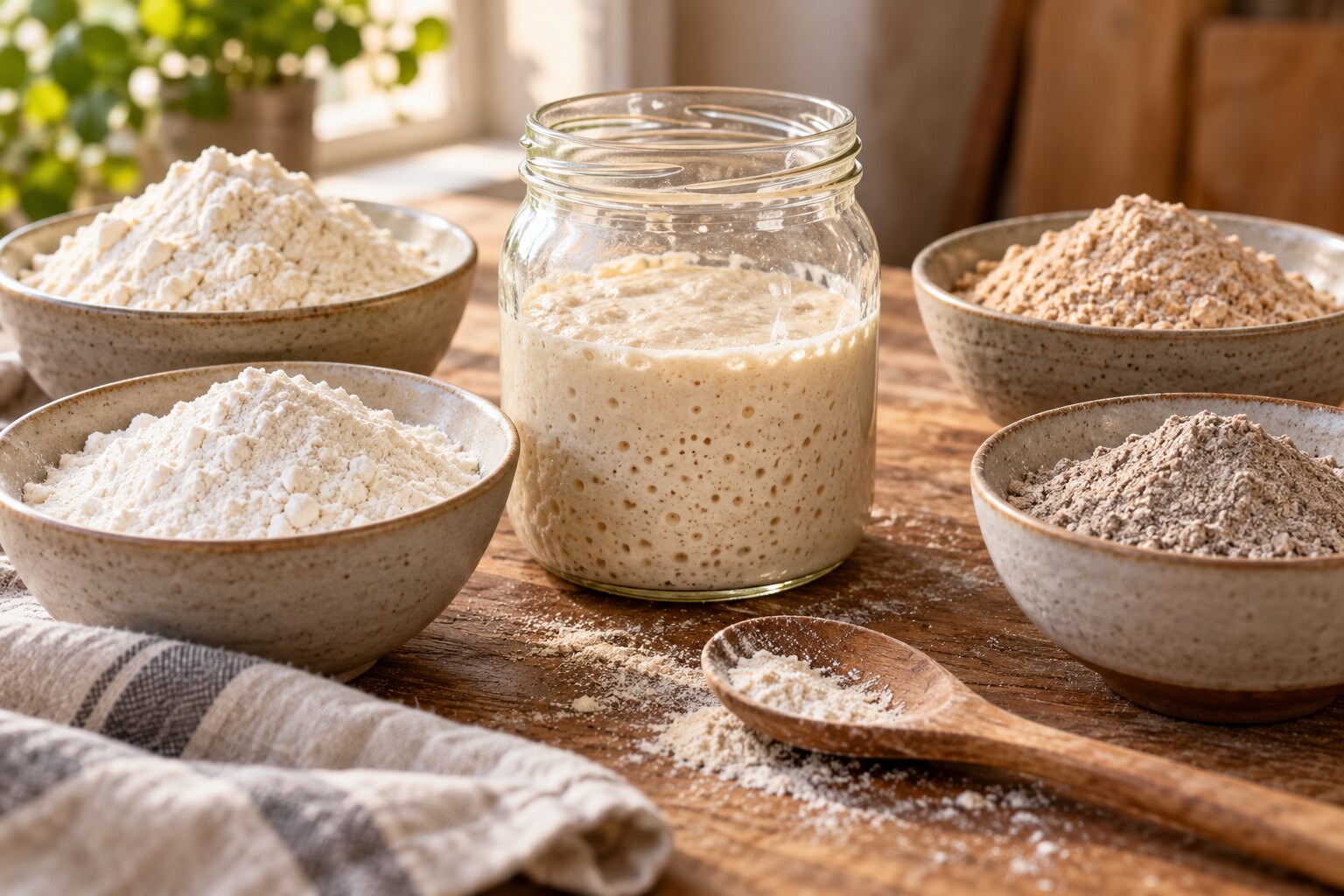
Compare bread flour, all-purpose, whole wheat, and rye for sourdough starter. Find the beginner-friendly choice and when a flour blend can help.
Read the guide ↗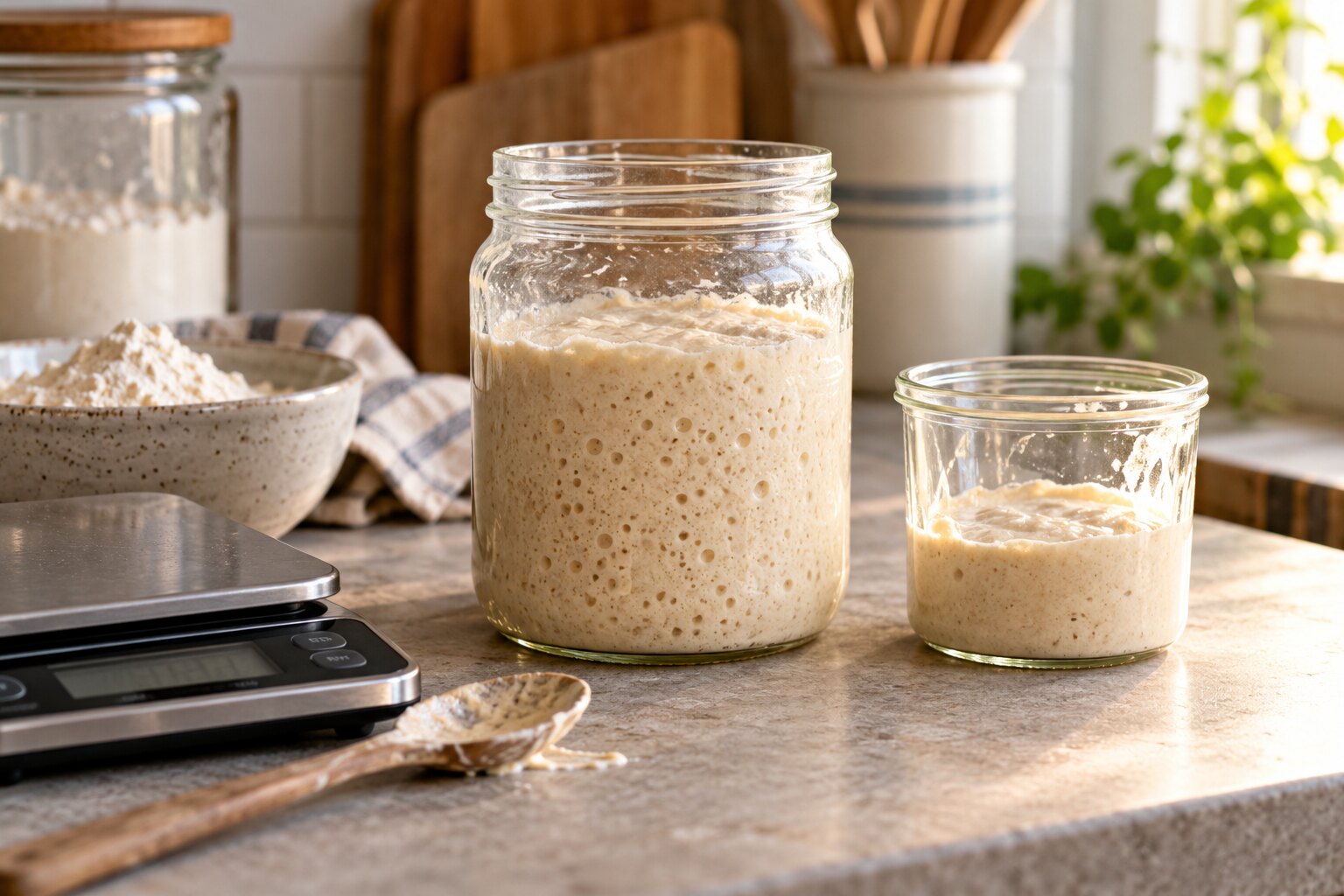
Discard is a feeding tool, not automatically food waste. Learn why it exists, what happens if you never remove starter, and how to use or reduce it.
Read the guide ↗Learn how to make a sourdough starter from flour and water with a simple day-by-day routine, visual signs, and practical fixes for beginners.
Read the guide ↗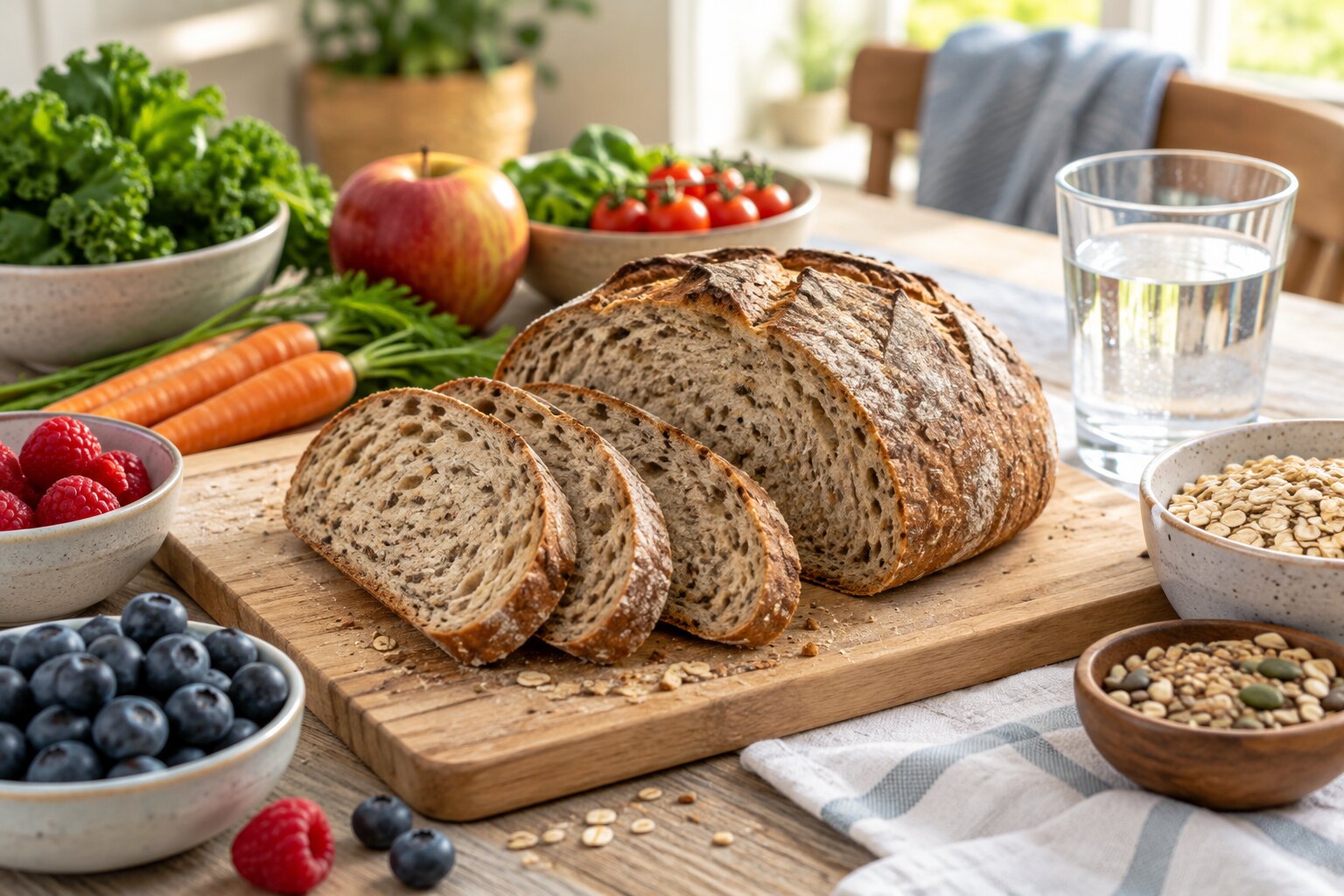
Sourdough bread does not automatically cause constipation. Learn how flour, fiber, fluids, portion size, and your overall diet can affect digestion.
Read the guide ↗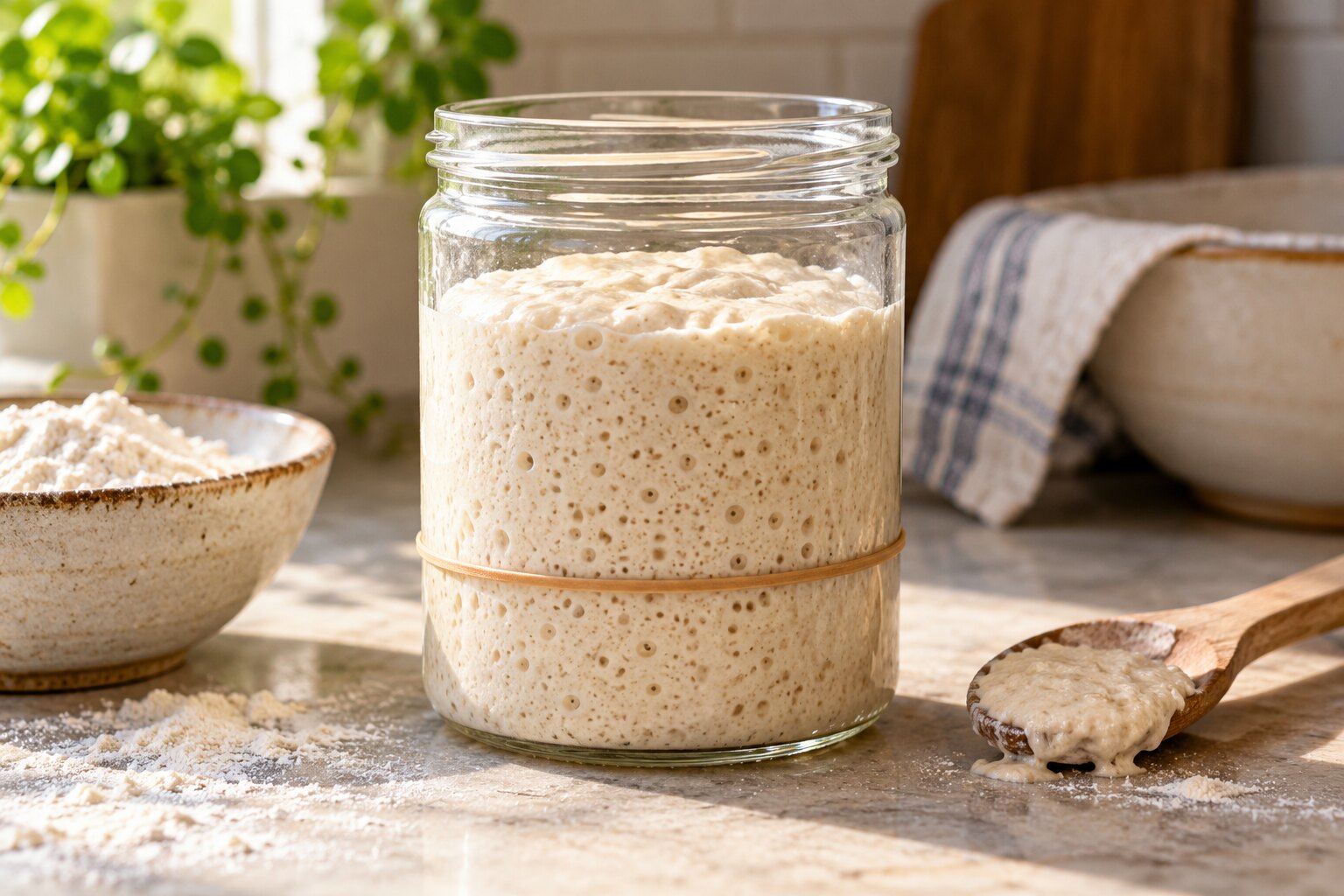
Learn what healthy sourdough starter looks, smells, and feels like at different stages, from freshly fed to active and past peak.
Read the guide ↗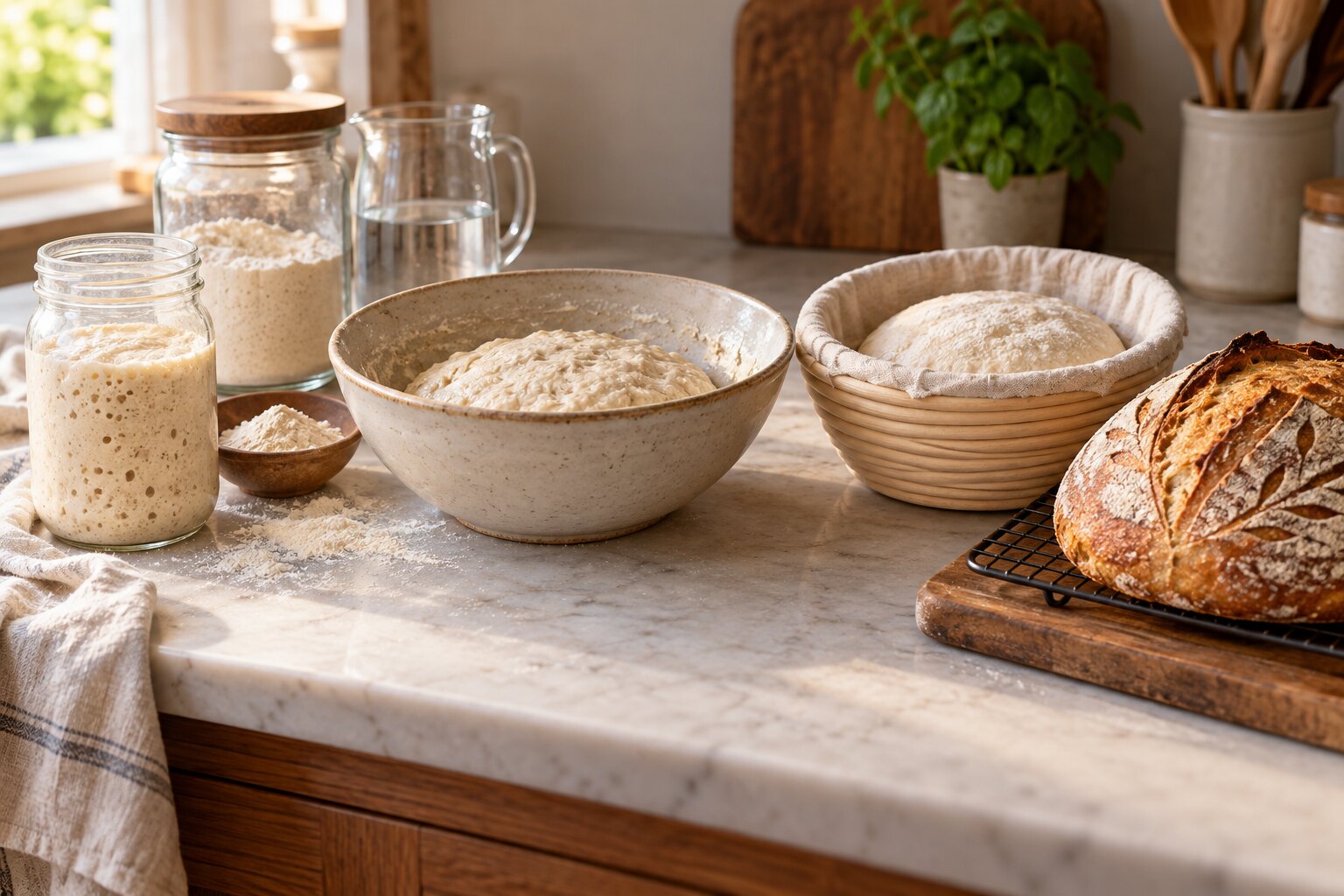
Understand how sourdough is made from flour, water, starter, and salt, with a clear beginner-friendly path from mixing to baking.
Read the guide ↗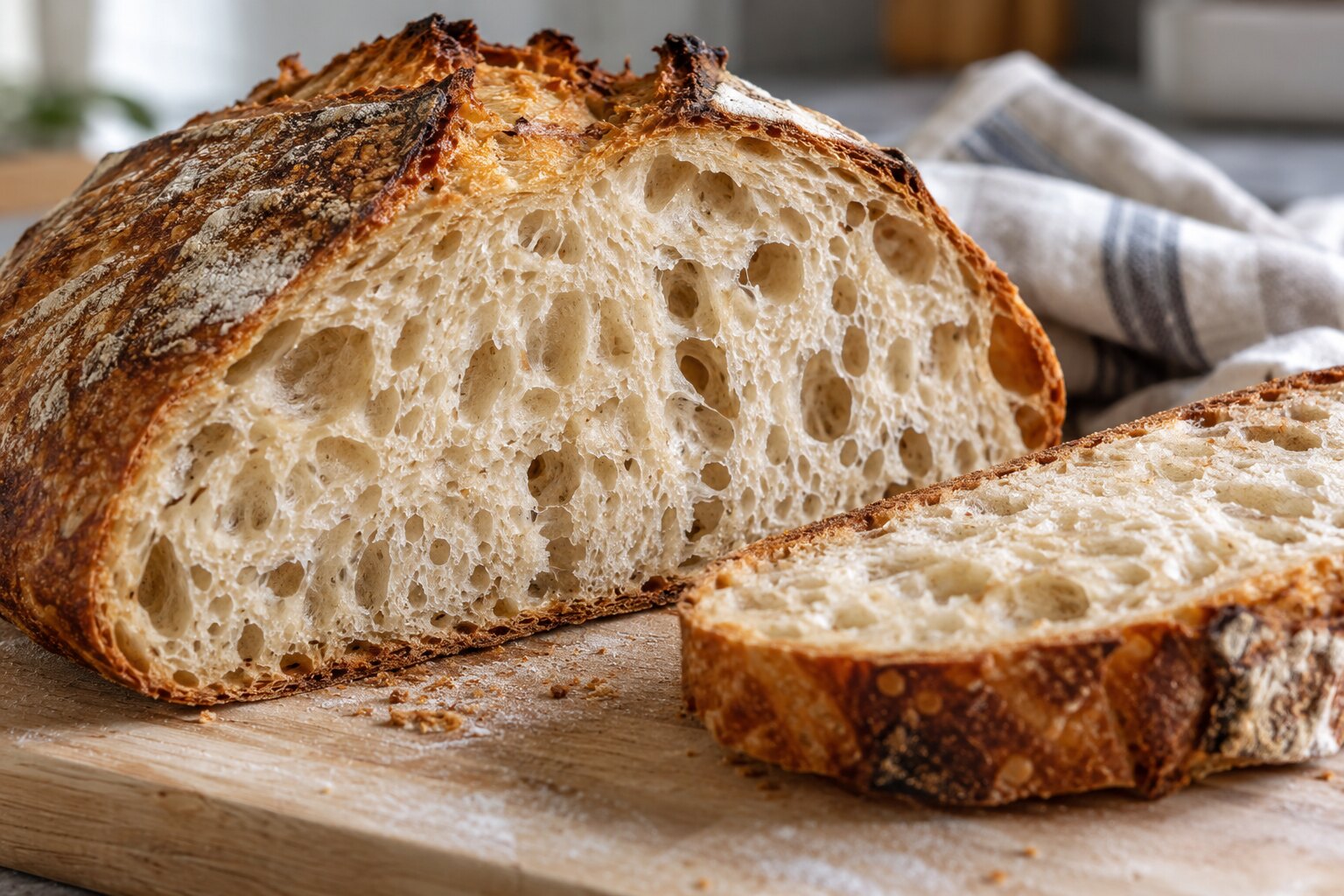
Learn what a healthy sourdough crumb can look like, why hole size is not everything, and how to read dense, gummy, or uneven interiors.
Read the guide ↗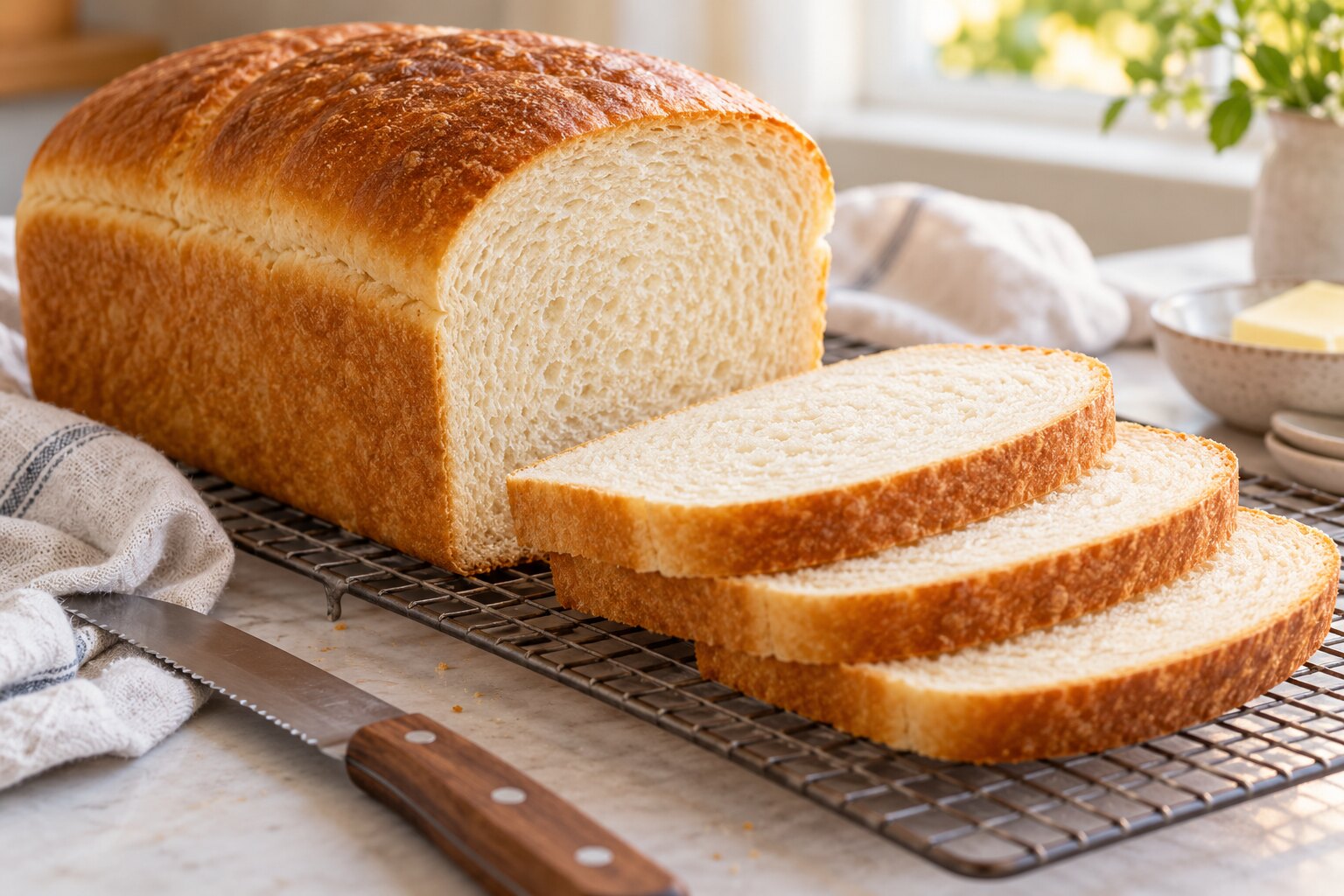
Bake a soft sourdough sandwich loaf with a tender crumb, gentle crust, and simple timing that works for beginner home bakers.
Read the guide ↗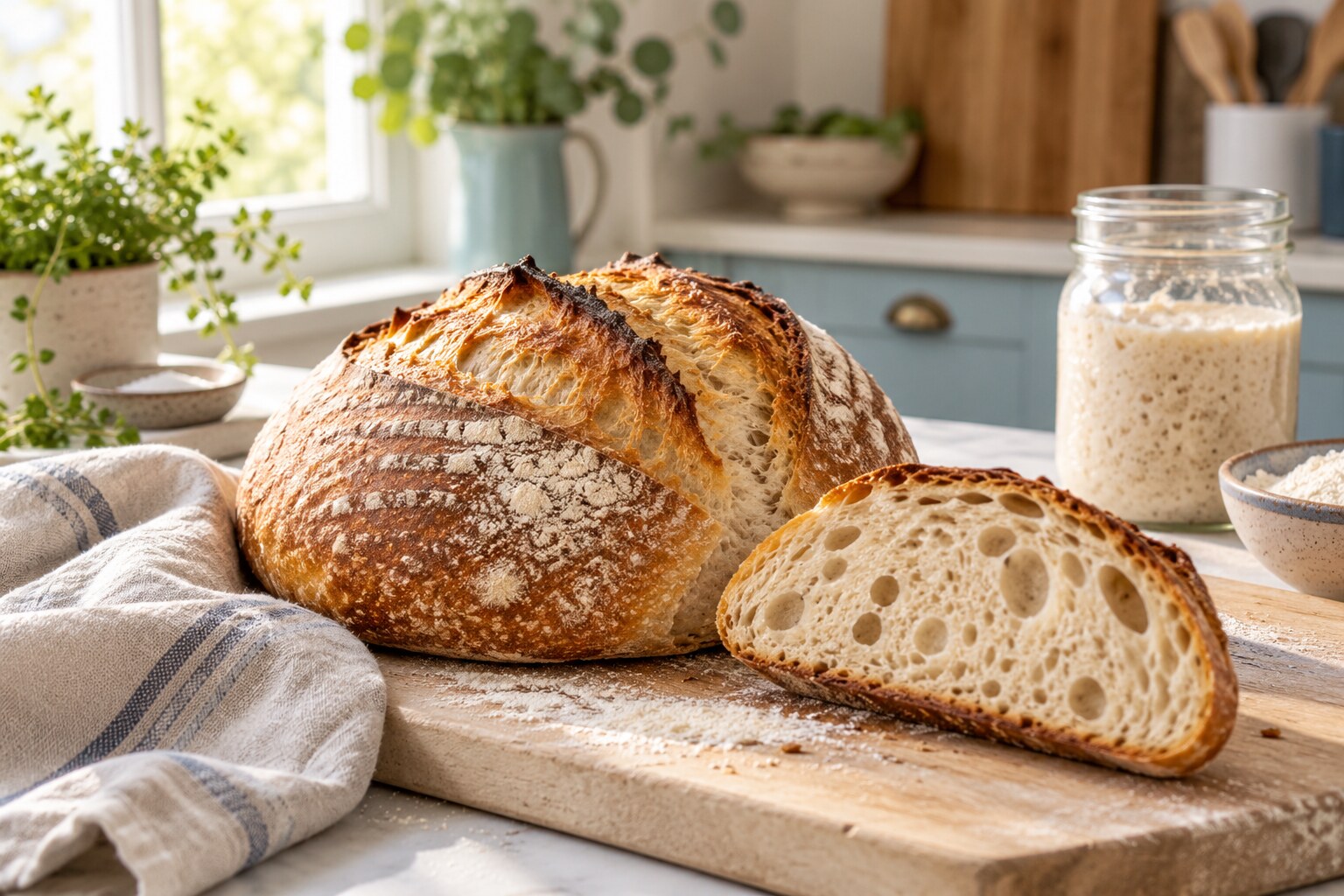
Make an easy sourdough loaf with a clear beginner method for mixing, folding, bulk fermentation, shaping, proofing, baking, and troubleshooting.
Read the guide ↗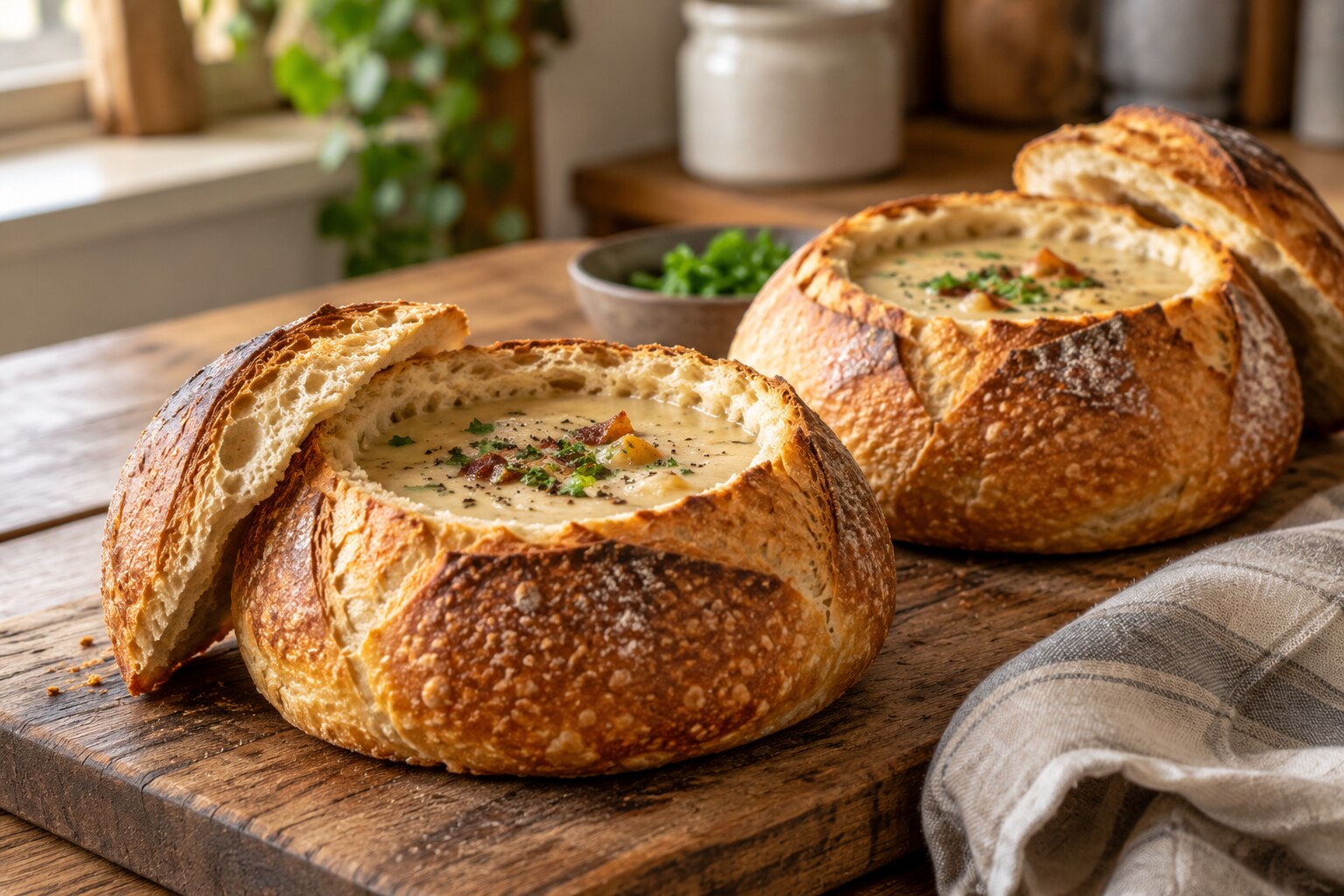
Make sturdy sourdough soup bread bowls with a crisp crust, soft centre, and simple shaping and baking cues for a cosy homemade meal.
Read the guide ↗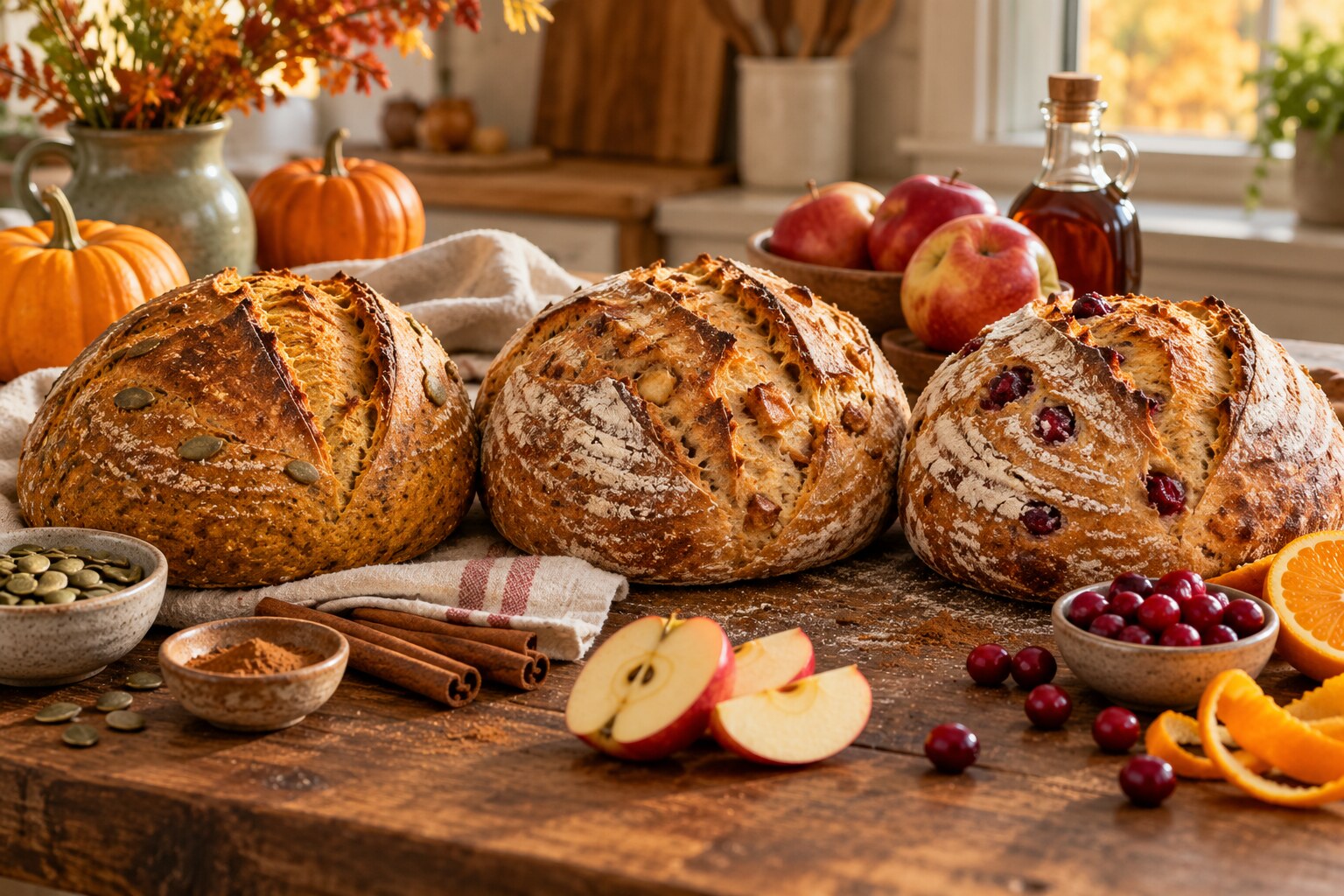
Try 12 cosy fall sourdough flavors, from pumpkin spice and apple cinnamon to roasted garlic, cranberry orange, and caramel apple.
Read the guide ↗