Sourdough bread does not automatically cause constipation. It can fit comfortably in a balanced diet, but low fiber, not drinking enough, large portions, or an individual digestive issue may affect bowel movements more than the fermentation label alone.
The short answer
Sourdough bread is not automatically constipating. Constipation is usually influenced by several things together, including the amount of fiber and fluid in your diet, movement, routine, medications, and individual health factors. The fact that bread is sourdough does not give one universal answer for everyone.
What may affect digestion more than the label
| Factor | Why it may matter | A practical question |
|---|---|---|
| Flour type | White flour usually contains less fiber than a loaf made with whole-grain flour. | Is the loaf mostly white flour, whole grain, or a blend? |
| Fluids | Eating more fiber without enough fluid may feel uncomfortable for some people. | Have you been drinking regularly throughout the day? |
| Portion size | A large amount of bread can replace fruit, vegetables, beans, or other fiber-rich foods. | What else is on the plate? |
| Your routine | Movement, stress, travel, and changes in meal timing can affect bowel habits. | Did anything change recently? |
| Individual factors | Some people have food sensitivities or health conditions that need personal advice. | Do symptoms keep returning or feel severe? |
White sourdough vs. whole-grain sourdough
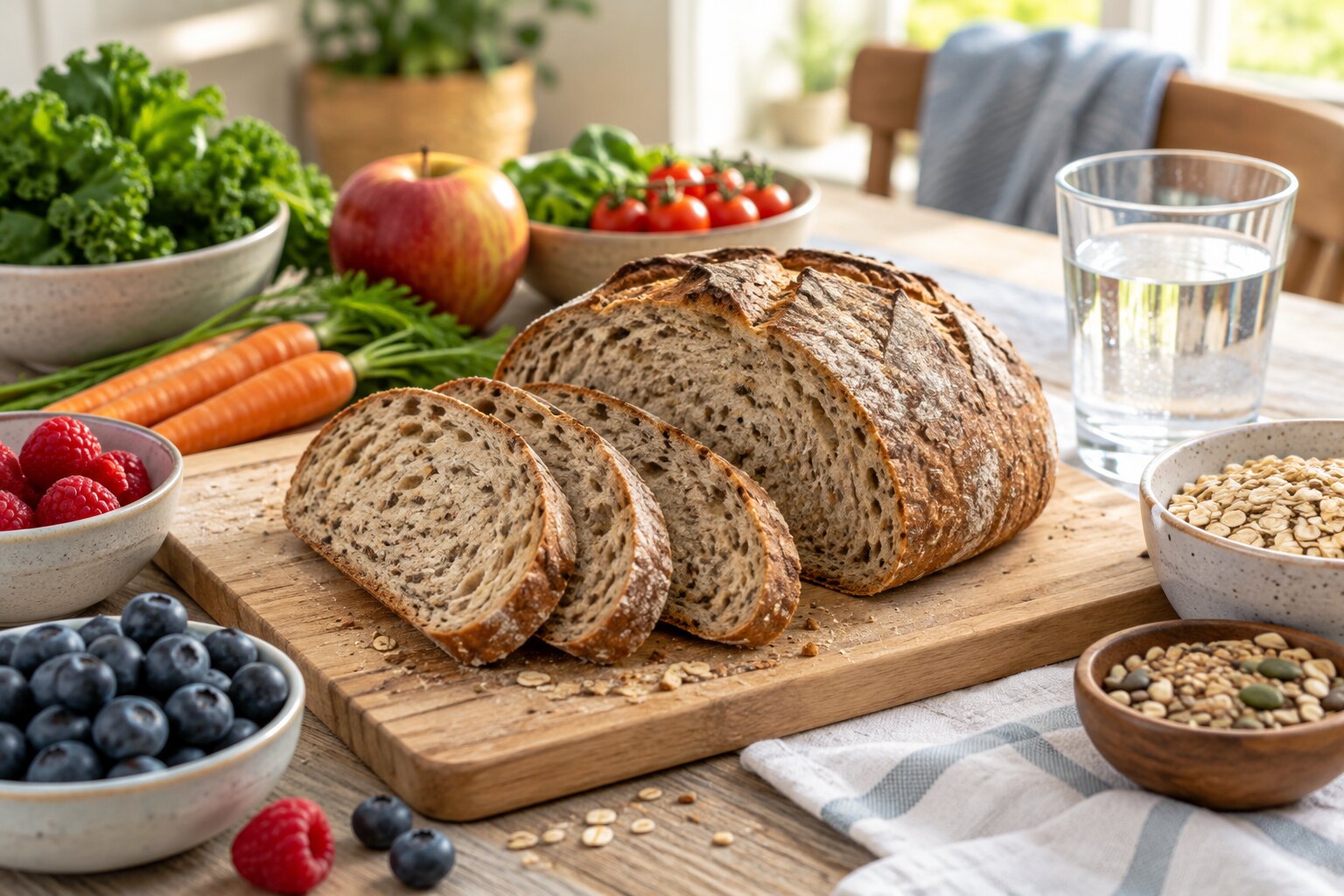
A sourdough loaf made mostly with white bread flour can be light and delicious, but it should not be treated as a replacement for all the fiber in a varied diet. Whole-wheat flour, seeds, oats, fruit, vegetables, beans, and lentils can contribute more fiber when they suit your digestion.
Whole-grain loaves can also feel heavier or more filling. If you are increasing whole grains, do it gradually and pay attention to how your own body responds rather than changing everything at once.
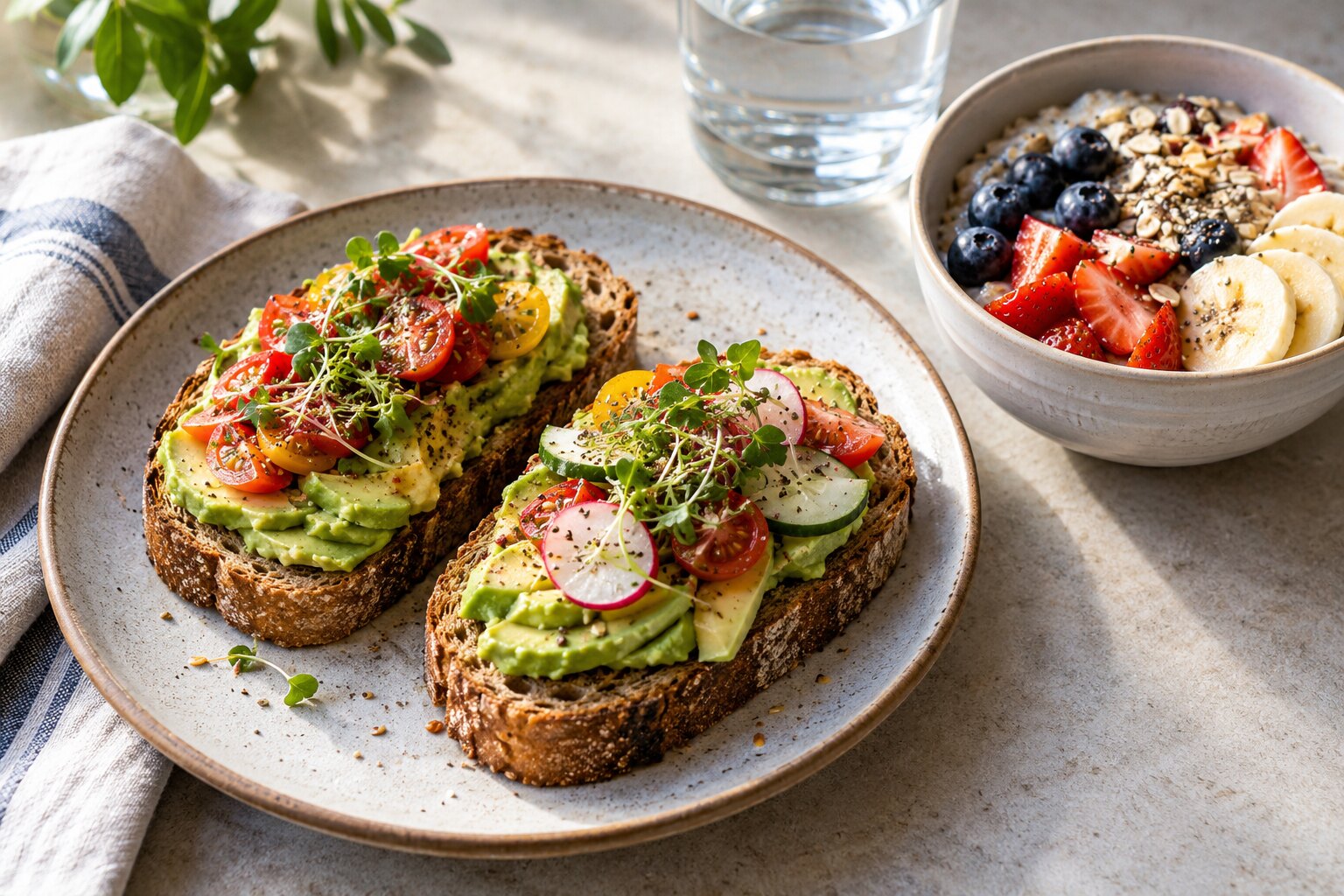
A simple meal example
Instead of eating several slices of plain bread by themselves, try building a meal around one or two slices with a topping and a side. For example, whole-grain sourdough with avocado and vegetables, plus fruit and water, gives the meal more variety than bread alone.
- 01Choose the bread portion that feels comfortable for you.
- 02Add a topping such as eggs, beans, avocado, yoghurt, or another protein you enjoy.
- 03Include fruit or vegetables when possible.
- 04Drink regularly across the day instead of waiting until you feel very thirsty.
- 05Notice how your body responds over several days rather than judging one meal.
When to look beyond bread
If constipation continues, is painful, or comes with blood, vomiting, unexplained weight loss, severe abdominal pain, or a major change in your normal pattern, speak with a qualified healthcare professional. Persistent symptoms deserve individual advice instead of a single food explanation.
The bottom line
Sourdough bread does not automatically cause constipation. Look at the flour, your portion, fluids, the rest of the meal, and your wider routine. A balanced approach is more useful than labelling every sourdough loaf as either good or bad for digestion.