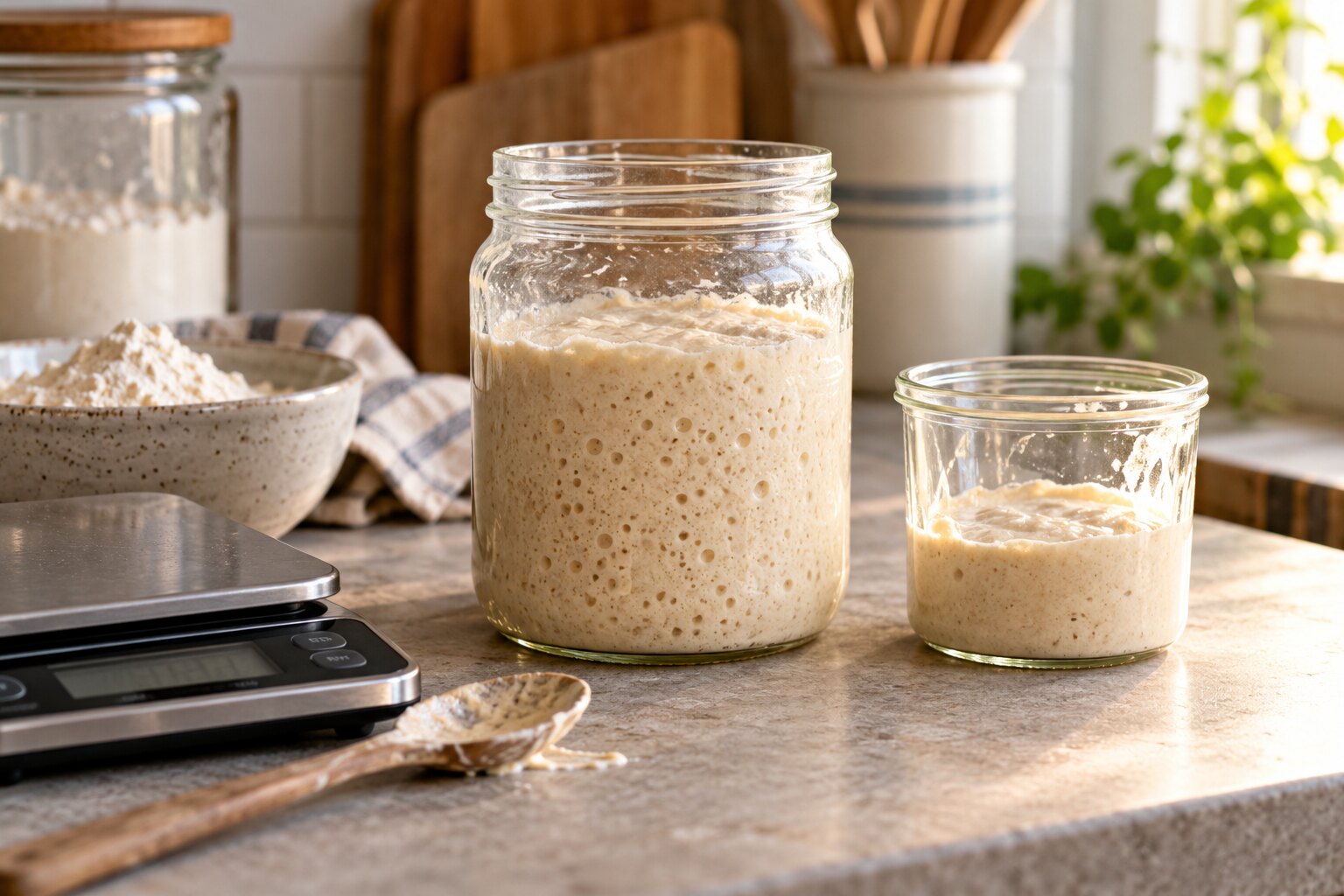
You do not have to throw discard away, but removing some starter is usually necessary to keep the jar manageable and give the culture enough fresh flour and water.
What “discard” means
Discard is simply the portion of starter you remove before feeding the rest. It is not a separate type of sourdough and it does not have to go in the trash. You can save it for recipes, compost it, or reduce how much your starter produces.
Why remove some starter before feeding?
A feeding works by giving a manageable amount of old culture enough fresh flour and water. If you keep every gram and only add more flour and water, the jar grows quickly and the original starter becomes a smaller and smaller proportion of the feed.
Removing part of the starter helps control quantity and keeps the feeding ratio meaningful. It also prevents the culture from becoming excessively acidic and hungry between feeds.
What happens if you never discard?
| If you never remove starter | What may happen |
|---|---|
| The jar keeps growing | You need increasingly large amounts of flour and water to maintain the same ratio. |
| The culture receives too little fresh food | It may become acidic, sluggish, or slow to rise. |
| The feeding schedule becomes expensive | A small daily habit turns into a large amount of flour. |
| The jar becomes hard to manage | There may not be enough headspace for fermentation and expansion. |
You can avoid waste without keeping a huge jar. Maintain a small amount, such as 20–50 g, and build a larger levain only when a recipe needs it.
How to reduce discard
- Keep a small maintenance starter instead of a large one.
- Use a larger feeding ratio when you need to stretch the time between feeds.
- Move a mature starter to the fridge if you bake less often.
- Feed only the amount you need for a planned recipe, plus a small amount to keep.
- Save discard from an established starter in a covered container in the fridge.
How to use sourdough discard
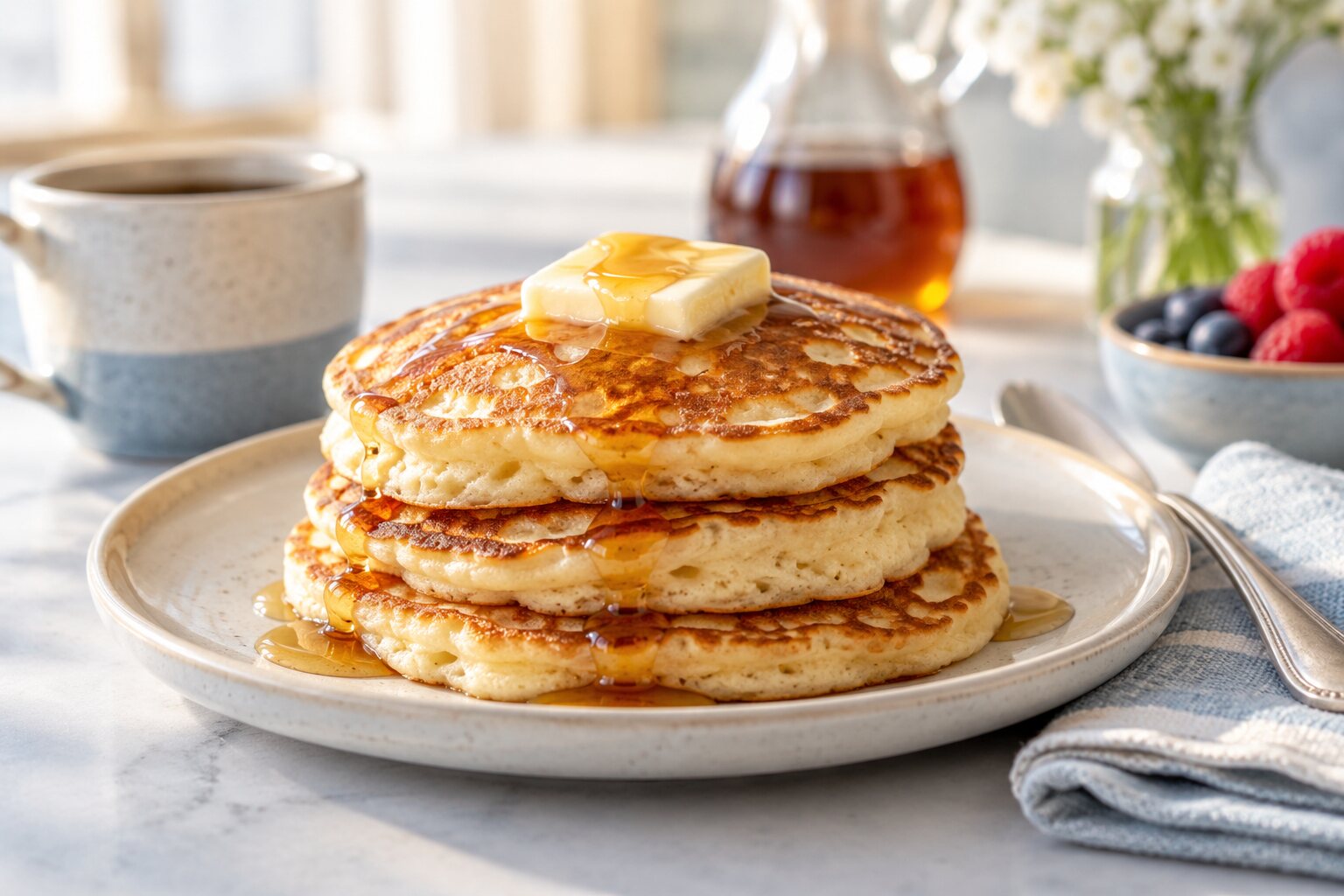
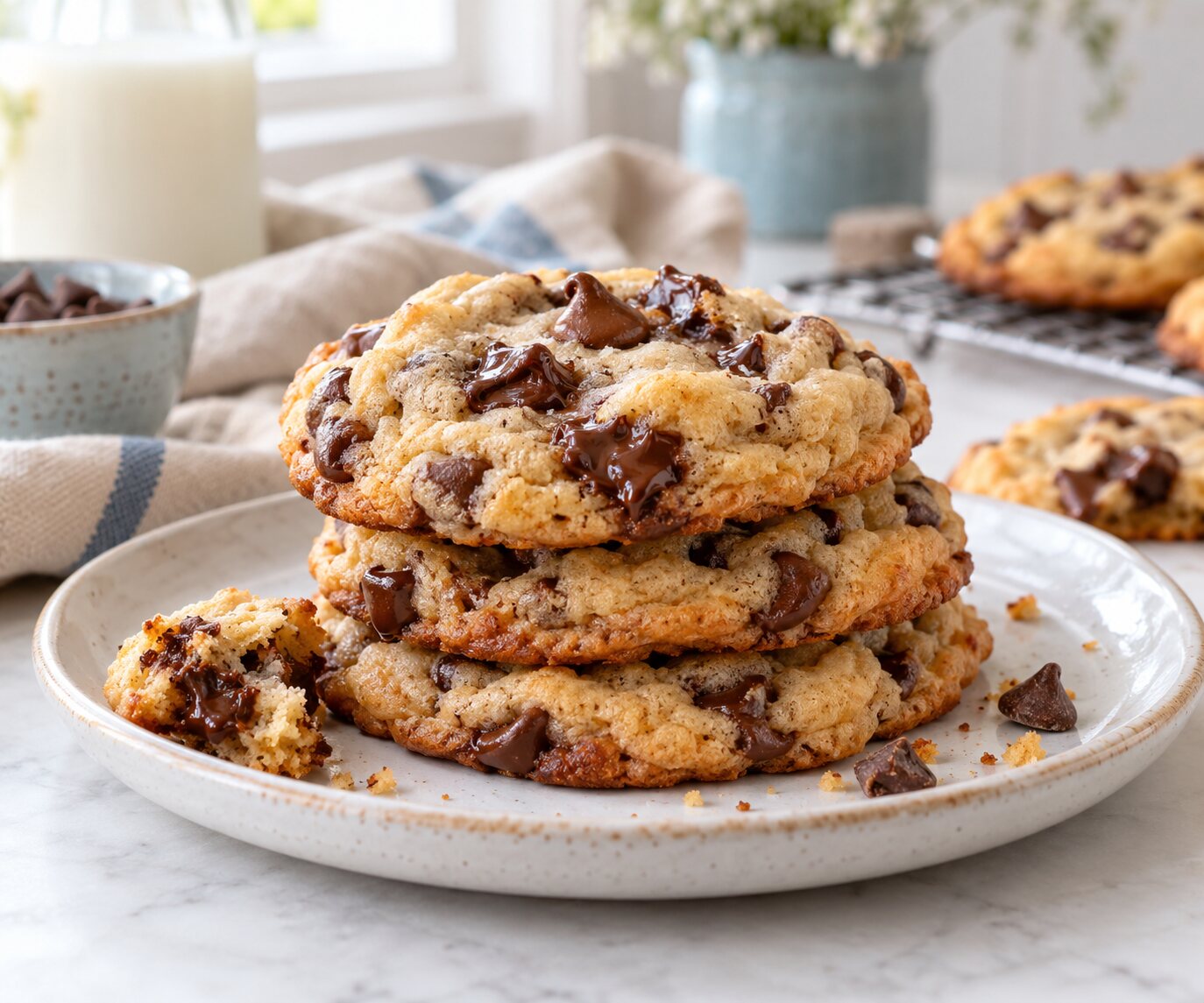
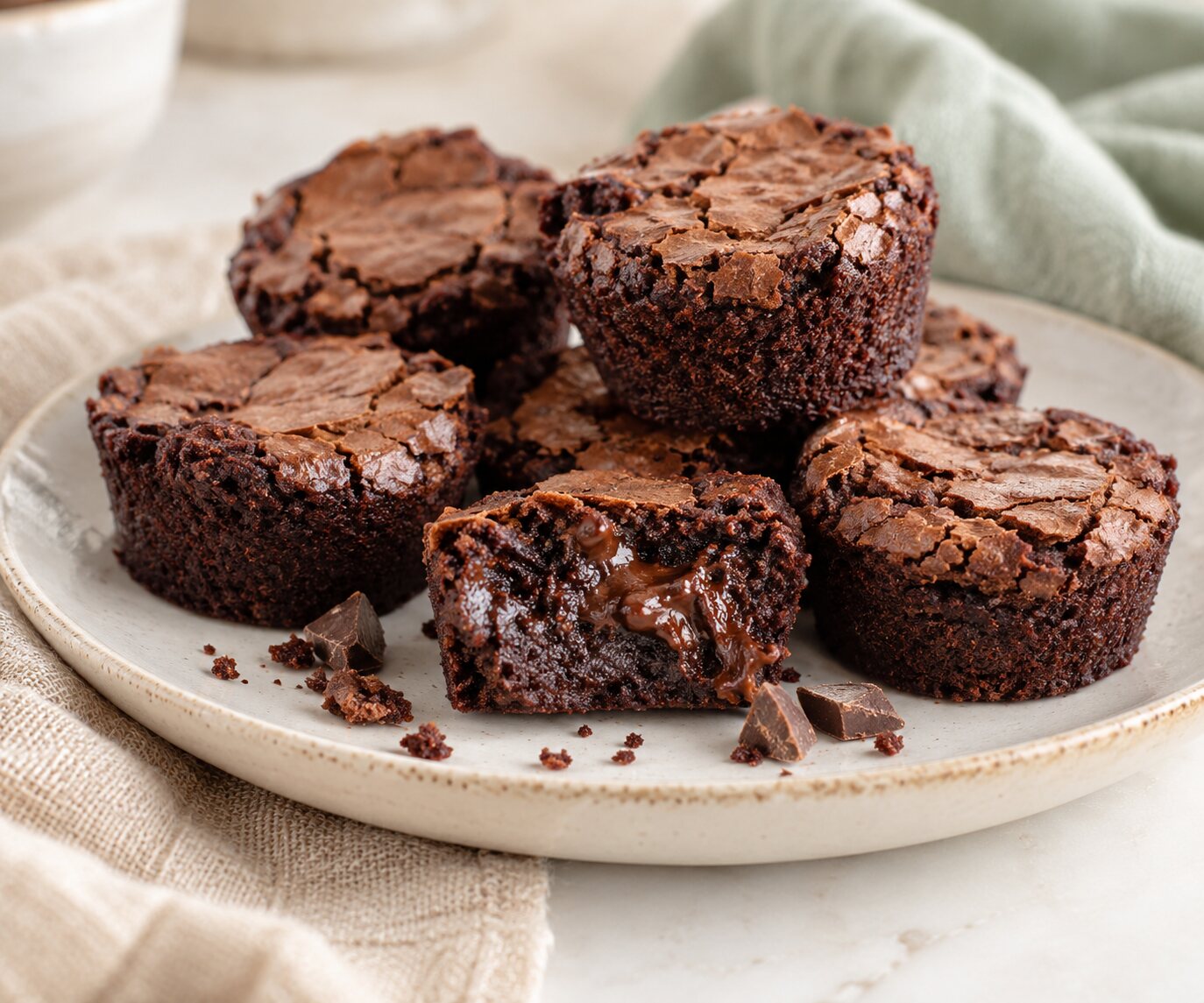
Discard adds fermented flavor and moisture to recipes, but it is not always strong enough to replace commercial yeast or active starter as the only leavener. Use it in forgiving recipes such as sourdough discard pancakes, sourdough chocolate chip cookies, brownies, crackers, or quick breads.
When a recipe uses discard, remember that a 100 g starter at 100% hydration contributes roughly 50 g flour and 50 g water. The recipe may need its other flour or liquid adjusted to stay balanced.
When not to save discard
Do not save discard from a brand-new starter until the culture is established. Also discard the entire culture if it shows fuzzy mold, pink or orange streaks, or a truly rotten smell. A grey or brown liquid on top can be hooch, but unusual color and smell deserve caution.
The simple answer
You generally need to remove some starter to maintain a healthy, manageable feeding ratio, but you do not need to waste it. Keep a small starter, refrigerate it when you bake less often, and turn the discard into something useful when it comes from a mature, healthy culture.